
Death by Coffee: The New American Epidemic of Caffeine Dependence
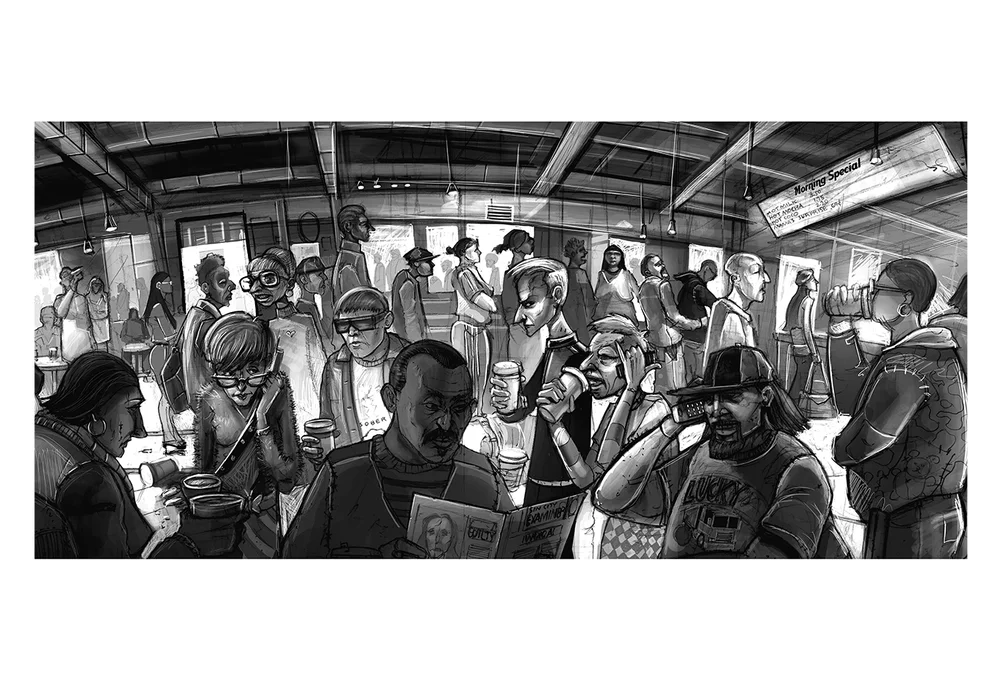
My working title: Death by Coffee: The New American Epidemic of Caffeine Dependence
My hypothesis is simple: in 20 years we may look back on our caffeine habits the way we look back on cigarettes—like a ridiculous cultural norm that we pretended was harmless because it was normal.
I’m not saying caffeine is the same as smoking. I’m saying the social pattern feels familiar: widespread daily use, cultural pride around it, and a tendency to ignore the costs because “everyone does it.”
We have a brutal anxiety epidemic, a brutal sleep epidemic, and a mental health crisis that seems to touch every family. And I can’t help but wonder if we’ve been too slow to connect one obvious modern variable: the mass increase of coffee, energy drinks, and pre-workout.
Gen Z and Millennials have a new drug of choice. It’s socially approved, marketed as productivity, and sold on every corner.
The caffeine economy: fuel for an empire
Coffee isn’t just a beverage. It’s a productivity tool.
Historically, coffee became a staple in part because it replaced alcohol during working hours and fit an industrial society that needed alert workers. Coffeehouses also became hubs of commerce, ideas, and social life. You can see the long arc of this in histories of coffee culture and its relationship to political and economic change. (HISTORY)
In modern America, coffee still plays the same role: it helps people perform in a system that often asks for more output than the body wants to give.
It’s not just coffee anymore either. It’s:
- cold brew and espresso drinks that can be deceptively strong
- energy drinks stacked with stimulants
- pre-workouts engineered to hit like a freight train
And the whole machine is normalized.
“How much is too much?” — and how easy it is to cross the line
For most healthy adults, the FDA commonly cites 400 mg of caffeine per day as an amount “not generally associated with negative effects,” while also noting wide individual variability. (U.S. Food and Drug Administration)
Mayo Clinic gives a similar guideline: up to 400 mg/day is considered safe for most adults. (Mayo Clinic)
The problem is how easily people blow past that without realizing it:
- a large cold brew + afternoon latte + a pre-workout
- or coffee plus an energy drink on low sleep
- or “I’m fine” until the panic symptoms hit at night
Our culture treats caffeine like a harmless helper, but the dose matters—and the stacking matters.
Caffeine and anxiety: the link people feel but don’t name
A 2024 meta-analysis found caffeine intake is associated with an increased risk of anxiety in healthy individuals, with stronger effects at higher doses (notably above 400 mg/day). (PMC)
That doesn’t mean caffeine “causes” all anxiety. But it does mean this: if you’re already anxious, sleep-deprived, stressed, or wired, caffeine can become gasoline.
And many people are living on gasoline.
Heart, blood pressure, and the energy drink problem
Coffee is one thing. Energy drinks and heavy stimulant stacks are another.
Reviews and clinical research consistently show energy drinks can raise heart rate and blood pressure, and some studies report changes in cardiac electrical activity (like QTc prolongation). (PMC)
Mayo Clinic has also warned that energy drinks may increase arrhythmia risk in people with certain underlying heart conditions. (Mayo Clinic)
Again, this isn’t a blanket statement that “caffeine ruins your heart.” It’s a warning that we’ve normalized high-dose stimulant intake in a way that can create real risk—especially when combined with poor sleep, dehydration, or genetics.
The quiet addiction nobody calls an addiction
People get defensive when you call coffee addictive, but the withdrawal story tells the truth.
The DSM-5 includes caffeine withdrawal as a recognized diagnosis, and clinical summaries describe symptom onset commonly within 12–24 hours after stopping. (PMC)
Most people know this experience:
- headache
- fatigue
- irritability
- fog
- “I can’t function until I get my coffee”
That’s dependence, even if it’s socially smiled at.
And the most dangerous part of dependence is not the substance itself—it’s when it becomes the default solution to every problem: low sleep, low mood, low motivation, low meaning.
Coffee is rising — and we’re pretending it’s nothing
Coffee consumption is high. The National Coffee Association has reported daily coffee consumption hitting a 20-year high and rising significantly over the last couple decades. (ncausa.org)
So here’s the question I keep coming back to:
If anxiety is rising, sleep is collapsing, and caffeine is everywhere—why are we not willing to treat this as a serious variable?
My core claim: coffee trades hours now for hours later
Coffee offers a deal: borrowed energy.
Sometimes that deal is worth it. Sometimes it’s a tool. I’m not trying to moralize a morning cup.
But culturally, it feels like we’ve built a system where people use caffeine not to enhance life—but to survive life.
And I think, years from now, we will look back and realize how many of our “normal” problems were amplified by a constant stimulant baseline.
The book angle: what “Death by Coffee” would actually be
If I turn this into a book, I don’t want it to be fear-based. I want it to be an exposé in the honest sense: pulling back the curtain on a norm we don’t examine.
Chapter map
- The Coffee Empire: how caffeine became productivity culture
- The Dose Problem: why modern drinks don’t match old consumption
- Anxiety, Panic, and Stimulant Living
- Sleep: the first thing caffeine quietly steals
- Energy Drinks and the cardiovascular risk question
- Withdrawal: the proof of dependence
- The New Sobriety: why Gen Z is avoiding alcohol but drowning in caffeine
- The Alternative: energy, focus, and discipline without stimulants
- A new cultural norm: “rested is powerful”
A fair conclusion
I’m not saying coffee is evil. I’m saying our relationship with it might be.
If the future is health, clarity, and stable mental states, then caffeine needs to be discussed with more honesty than it currently is.
Because if we refuse to name the costs, we’ll keep paying them—quietly, daily, and proudly.
Leave a Reply