
Sonoma Valley Wine History — And How It Differs From Napa
Introduction
Sonoma Valley is one of California’s oldest winegrowing regions, yet it is often misunderstood when compared to Napa Valley. While Napa became synonymous with luxury and singular prestige, Sonoma evolved through agriculture, diversity, and balance. Its wines reflect a long, steady history shaped by land stewardship rather than spectacle.
To understand Sonoma Valley wines today, it helps to understand how the region developed—and why its path diverged so clearly from Napa’s.
Before Wine: Sonoma’s Agricultural Foundation
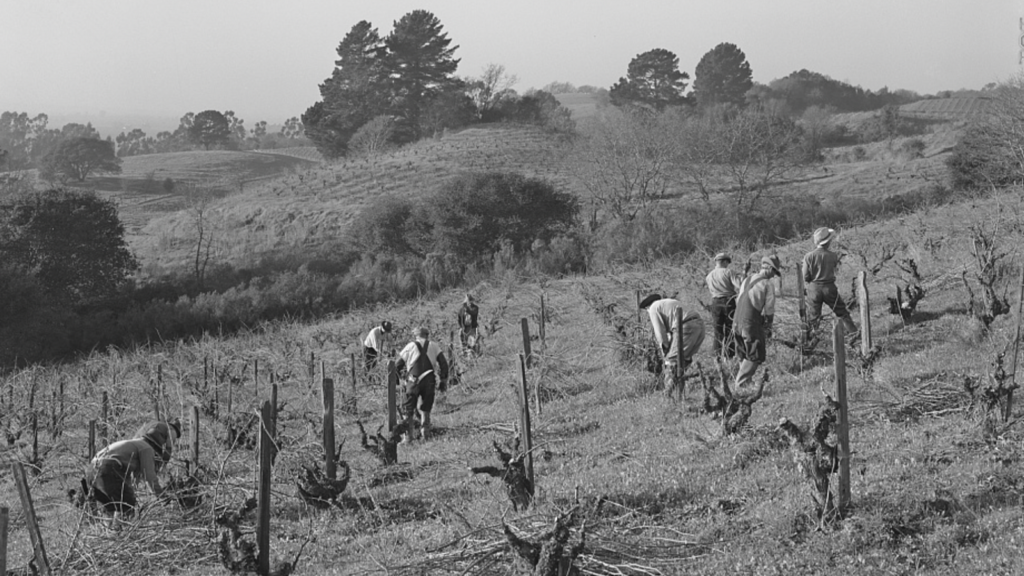
Before vineyards defined the landscape, Sonoma Valley was an agricultural region in the broadest sense. The valley’s fertile soils and moderate climate supported a wide range of crops long before wine grapes became dominant.
Early agriculture in Sonoma included:
- Wheat and grain farming
- Livestock and dairy
- Orchards (apples, pears, stone fruit)
- Olives and vegetables
Wine did not replace agriculture in Sonoma; it emerged from it. This early diversity shaped Sonoma’s long-term approach to farming—practical, adaptable, and grounded in land use rather than monoculture.
The Birth of Wine in Sonoma Valley
Viticulture in Sonoma Valley began earlier than many people realize. In 1823, Spanish missionaries planted the first known vineyards near present-day Sonoma, using Mission grapes primarily for sacramental wine.
The true foundation of Sonoma’s wine identity came in the mid-19th century, when European immigrants recognized the valley’s resemblance to Old World wine regions. Unlike later developments elsewhere, Sonoma’s early winemakers approached wine as an agricultural craft rather than a luxury product.
Sonoma’s Pioneers
Several early wineries established practices that still influence Sonoma Valley today.
- Buena Vista Winery (founded 1857)
Often regarded as California’s first premium winery, Buena Vista introduced European varietals, hillside vineyards, and dry-farming methods decades ahead of their time. - Gundlach Bundschu (founded 1858)
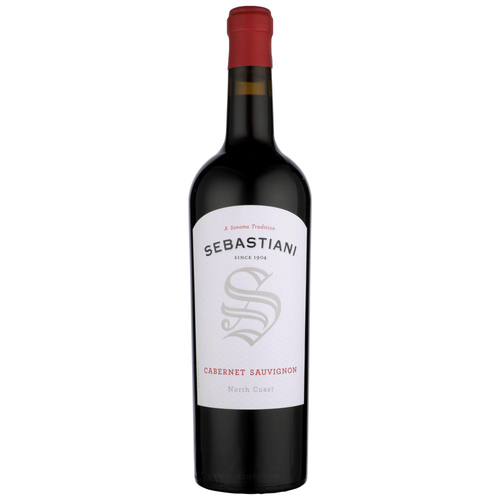
One of the oldest continuously family-owned wineries in California, Gundlach Bundschu demonstrated the long-term viability of Sonoma Valley viticulture. - Sebastiani Vineyards (founded 1904)
Sebastiani helped Sonoma survive Prohibition through sacramental wine production and later played a major role in revitalizing the region after repeal.
These wineries helped define Sonoma’s ethos: farming first, wine second, reputation earned slowly.
Prohibition and Survival
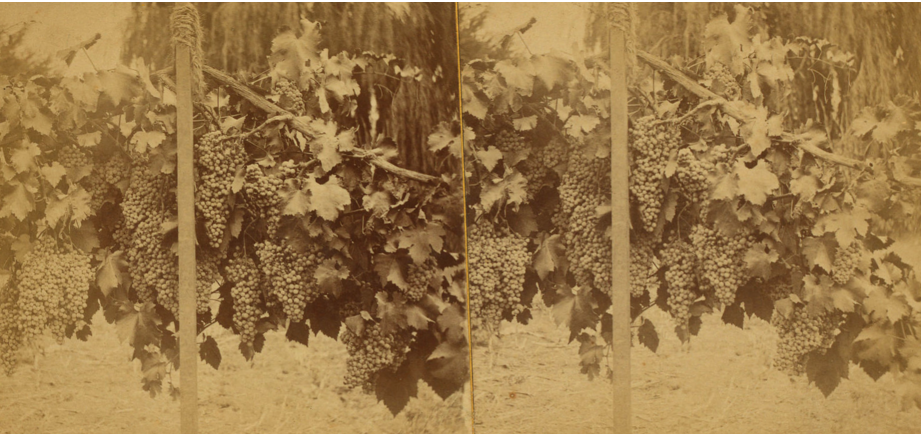
Prohibition (1920–1933) devastated California wine, but Sonoma Valley endured. Some wineries survived by producing sacramental wine or pivoting back to diversified agriculture. Others closed permanently.
This period reinforced Sonoma’s agricultural resilience. The valley did not rebuild quickly or dramatically—it rebuilt carefully.
Post-Prohibition to the Modern Era
After Prohibition, Sonoma Valley re-emerged with an emphasis on:
- Consistency over prestige
- Food-friendly wines
- Agricultural sustainability
From the 1960s onward, Sonoma growers began focusing more deliberately on Chardonnay and Pinot Noir, while also maintaining Cabernet Sauvignon, Zinfandel, and Rhône varieties. Attention shifted toward microclimates, site expression, and soil diversity rather than maximum ripeness.
By the late 20th century, Sonoma Valley had developed a reputation for balance and versatility—qualities that continue to define the region.
Climate and Soil: Sonoma’s Natural Advantage
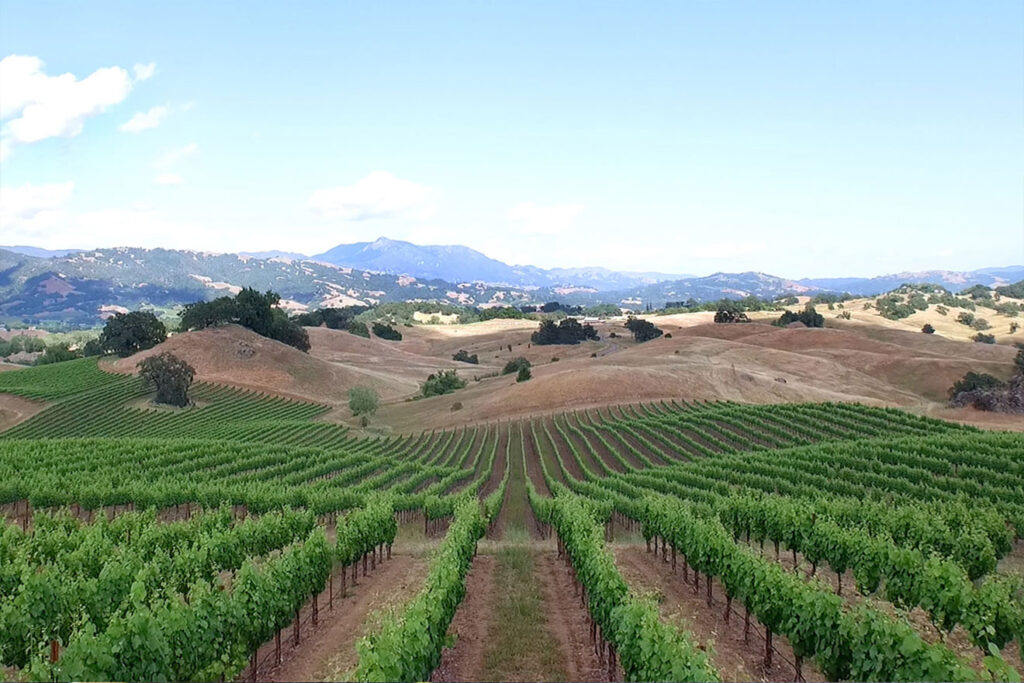
Sonoma Valley benefits from strong maritime influence, particularly fog and cool air drawn inland from San Pablo Bay. This creates:
- Cool mornings
- Warm afternoons
- Cool evenings
This diurnal temperature shift allows grapes to ripen fully while retaining acidity and freshness.
Soil diversity further shapes Sonoma wines:
- Alluvial soils on valley floors
- Volcanic soils near the Mayacamas
- Clay and loam for structure and texture
- Sandy and gravelly soils for drainage and aromatic expression
There is no single “Sonoma Valley soil”—and that diversity is a strength.
Sonoma Valley vs Napa Valley: A Philosophical Divide
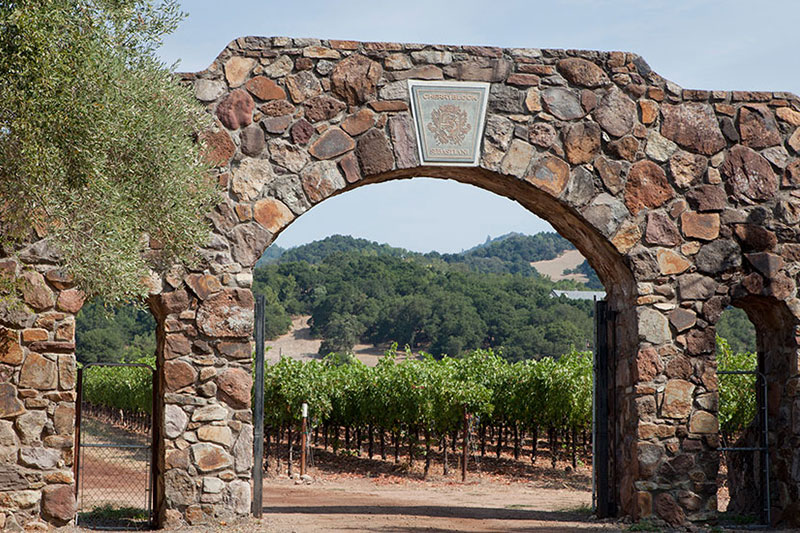
While Sonoma and Napa share geography, their historical trajectories diverged in meaningful ways.
Development Style
- Sonoma Valley: Grew organically from agriculture, with many small and mid-sized producers.
- Napa Valley: Developed later with concentrated investment and a strong luxury narrative.
Brand Identity
- Sonoma Valley: Emphasizes diversity, balance, and site expression.
- Napa Valley: Became closely associated with Cabernet Sauvignon, prestige, and high price points.
Cultural Focus
- Sonoma Valley: Wine as part of everyday life and food culture.
- Napa Valley: Wine as a destination experience and luxury product.
Neither path is inherently better—but they produce very different wines and reputations.
Why Sonoma Valley Matters Today
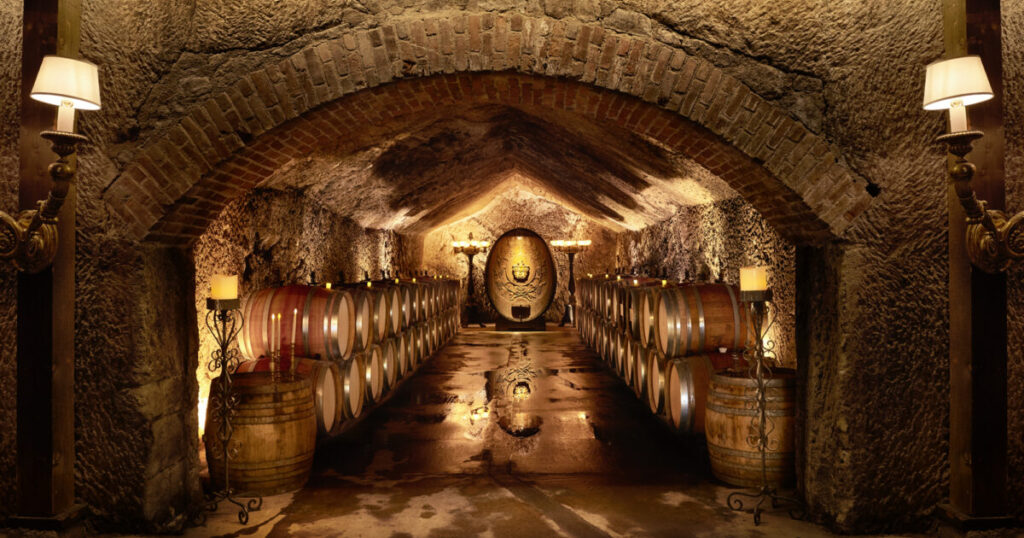
Sonoma Valley’s strength lies in equilibrium. It produces wines that feel complete rather than exaggerated, expressive without excess. Its long agricultural history encourages restraint, adaptability, and respect for land.
Sonoma did not chase fame. It earned relevance through continuity.
That history explains why Sonoma wines often resonate with drinkers seeking authenticity, balance, and connection to place rather than spectacle.
Key Takeaways
- Sonoma Valley wine evolved from diversified agriculture
- Some of California’s earliest wineries were founded here
- The region survived Prohibition through resilience, not reinvention
- Climate moderation and soil diversity define wine style
- Sonoma and Napa followed fundamentally different paths
- Sonoma’s identity is rooted in balance, not luxury signaling
Leave a Reply