
Petite Sirah: Origins, Character, and Climate Influence
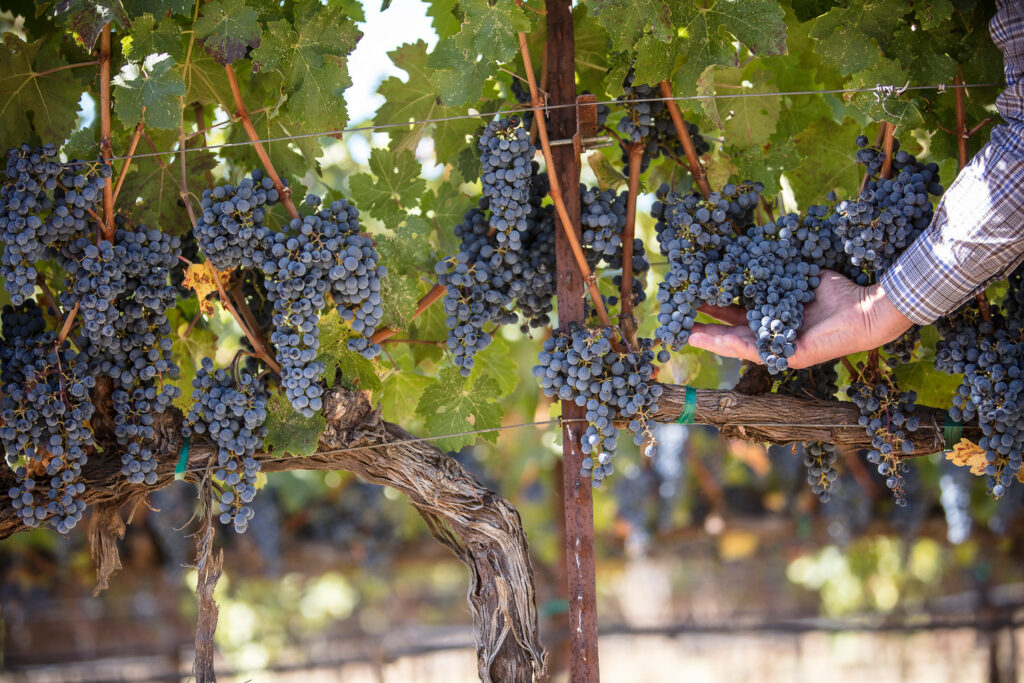
Petite Sirah is one of California’s most distinctive red wine varietals — bold, dark, and often misunderstood. Loved for its intense color, rich structure, and deep fruit flavors, Petite Sirah has evolved from an under-used blending grape into a respected varietal wine in its own right. In this study, we’ll explore its history, its defining traits, and how climate influences the expression of this compelling grape.
The Roots of Petite Sirah
Petite Sirah was developed in France in the late 19th century by botanist François Durif as a cross between Syrah and Peloursin. In France, it was known as Durif, but in the United States, the name Petite Sirah became standard when the grape was imported to California in the 1880s.
Despite its French origin, Petite Sirah eventually became far more popular and successful in America — particularly in California — than in its homeland, where it is now virtually extinct.
The “petite” in its name refers to the small size of the berries, not the wine’s stature. Those tiny grapes have an exceptionally high skin-to-juice ratio, a structural factor that contributes to Petite Sirah’s notorious high tannins and deep color.
What Petite Sirah Tastes Like
Petite Sirah is known for:
- Intense dark fruit — blackberry, blueberry, plum
- Deep color — nearly inky purple
- Bold structure and high tannin
- Spice and savory notes — black pepper, licorice, dark chocolate
- Medium acidity and high alcohol potential
Because of its tannic structure, Petite Sirahs often benefit from decanting or time in the cellar to soften and integrate, though many modern producers craft examples that are more approachable earlier in life.
Originally a blending component (often with Zinfandel, where it adds color and framework), Petite Sirah today is increasingly bottled as a straight varietal wine that stands on its own.
Climate Matters: Cool vs Warm
Climate plays a significant role in how Petite Sirah expresses itself, just as it does for other varietals. Generally:
Warm-Climate Petite Sirah
In warmer regions — such as parts of California’s Central Valley and areas with long, hot growing seasons — Petite Sirah tends to develop:
- Riper, jammy dark fruit
- Higher sugar levels and thus higher alcohol
- Fuller body and richer mouthfeel
These wines often carry flavors of stewed blackberry, blueberry jam, and sweet spice. Warm-climate styles are compelling for their power and depth, but can sometimes lack the bright acidity that brings tension and lift.
Cooler-Climate Petite Sirah
In cooler spots — such as higher-elevation sites or coastal-influenced zones — the same varietal can show:
- More earthy or mineral tones
- Fresher acidity
- Slightly leaner fruit with touches of citrus, floral, or savory complexity
Cooler climates slow ripening, allowing grapes more time to develop complexity without overripe sugar levels. The result can be a Petite Sirah with more pronounced structural balance and nuance.
Understanding this climatic influence is especially valuable in a region like Sonoma County, where microclimates range from warm inland valleys to cool coastal hillsides — offering a rich spectrum of Petite Sirah styles even within a single AVA.
Food Pairing & Serving
Because of its powerful tannins and bold flavor profile, Petite Sirah pairs beautifully with rich, fatty, or umami-centric foods such as:
- Grilled or roasted beef
- Barbecue
- Lamb stew
- Dark chocolate desserts (for sweeter styles)
These pairings provide balance by matching the wine’s structure and intensity.
Serving Petite Sirah slightly cooler than room temperature (around 60–68°F / 15–20°C) allows both fruit and spice characters to harmonize.
Why Petite Sirah Matters
Petite Sirah’s rise from blending grape to respected varietal demonstrates how persistence, careful winemaking, and regional adaptation can elevate an underdog grape into something noteworthy.
When you understand the effects of climate on Petite Sirah — from bold, ripe power in warm soils to tension and complexity in cooler sites — you gain a more nuanced framework for guiding guests through tasting room conversations.
Whether labeled Petite Sirah or Durif, this grape continues to reward exploration and study — much like the broader world of wine itself.
Leave a Reply