
Low-Alcohol Wine: Craft, History, and Potential
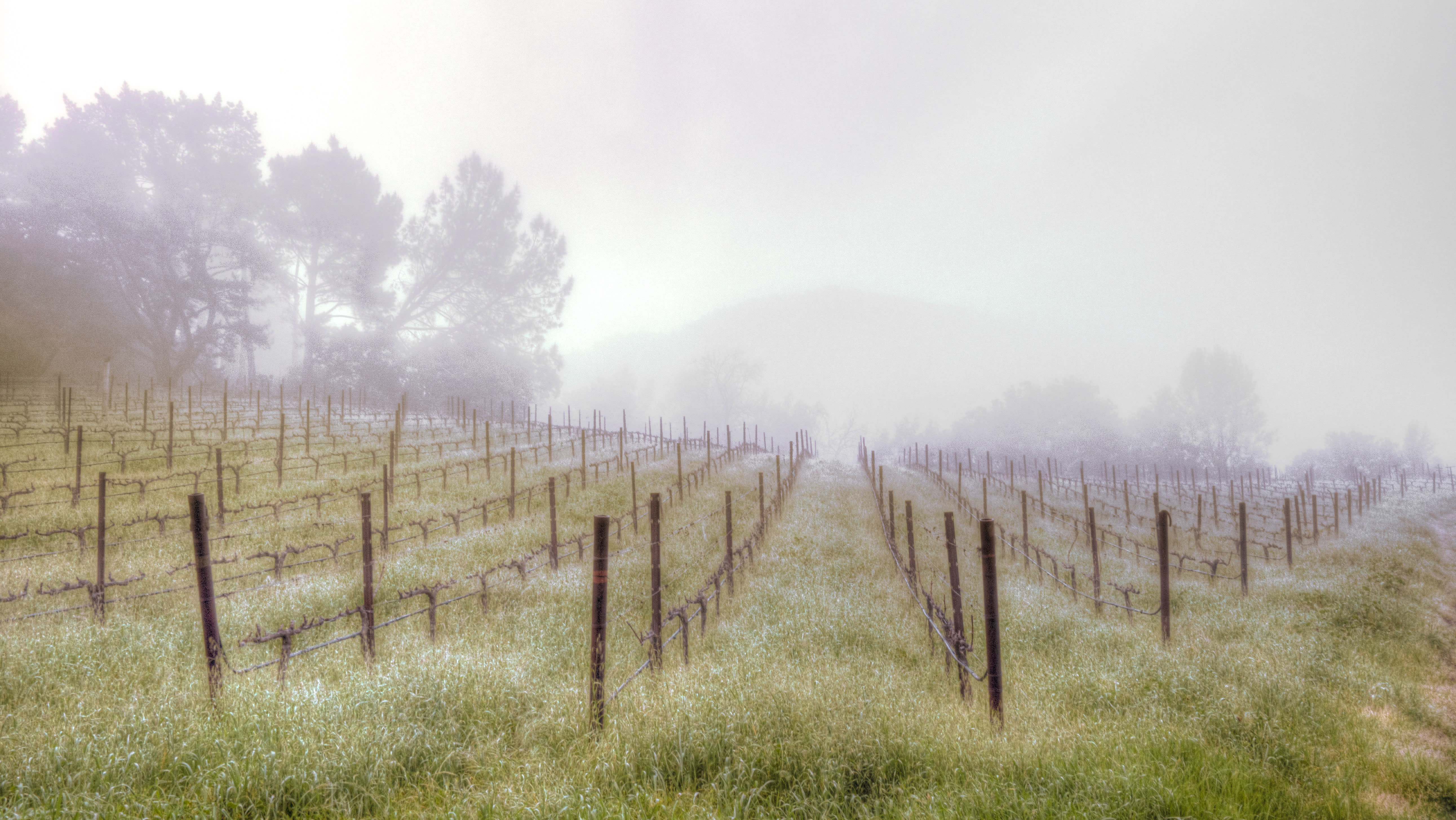
Wine has always been about balance—sugar and acid, fruit and structure, tradition and innovation. Alcohol is one of its most powerful components. It gives body, warmth, aromatic lift, and texture. But it also carries real physiological consequences.
If we are going to seriously explore low-alcohol wine, we cannot ignore the health conversation. The future of wine—if it is to have one—must take into account the well-being of the people who drink it.
Alcohol and the Body: The Honest Reality
Alcohol is not neutral.
Even moderate intake has measurable effects on the body:
- It stresses the liver, which must metabolize ethanol before anything else.
- It disrupts sleep architecture, especially REM cycles.
- It can increase inflammation markers.
- It affects cognitive clarity the following day.
- In excess, it increases risk for dependency, liver disease, certain cancers, and cardiovascular complications.
Public health data over the past two decades has become clearer: there is no truly “risk-free” amount of alcohol. Lower intake generally means lower long-term risk.
This does not mean wine has no place in culture or life. It means we must be intellectually honest. If we care about our customers—and if wine is to remain relevant in a health-conscious generation—then moderation cannot be an afterthought. It must be part of the design.
Alcohol and Flavor: Why It’s Hard to Remove
Alcohol contributes significantly to:
- Mouthfeel and perceived weight
- Sweetness perception
- Aromatic delivery
- Texture and warmth
Higher alcohol wines feel richer and more powerful. In certain styles—ripe Cabernet, Syrah, Amarone—alcohol is part of the structural identity.
Reducing alcohol without losing character requires skill. If alcohol drops too low without careful vineyard management, wines can taste thin, sharp, or incomplete.
That’s why the most promising path toward low-alcohol wine is not heavy technological stripping after fermentation—but intentional decisions before fermentation even begins.
The Natural Opportunities for Lower Alcohol
There are natural levers winemakers can pull:
1. Earlier Harvest
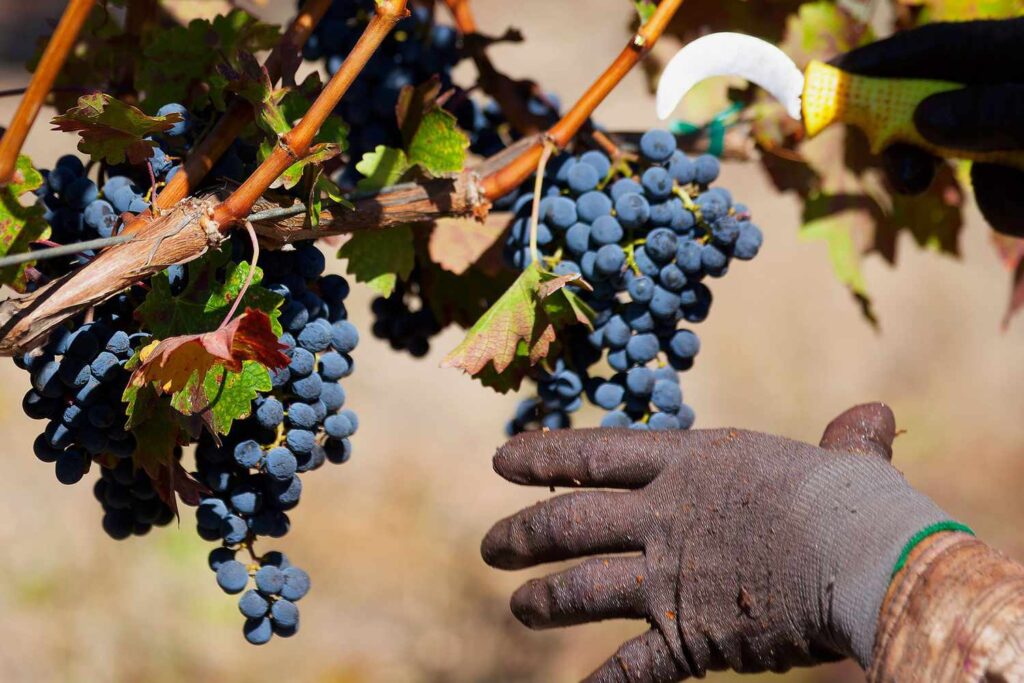
Picking grapes earlier reduces sugar accumulation and preserves acidity. The key is finding the moment when flavor ripeness is present without excessive sugar.
2. Cooler Climates
Cooler regions naturally produce grapes with lower sugar levels. Historically, many European wines—from parts of France and northern Italy—were in the 8–11% range. Modern warming trends have raised averages, but the model remains viable.
3. Varietal Selection
Certain grapes naturally accumulate less sugar and maintain brightness at lower ripeness.
4. Fermentation Management
Selective yeast strains and gentle fermentation control can help prevent runaway alcohol levels without harsh manipulation.
If 5–10% wines are to succeed, they must taste intentional—not compromised.
The 5–10% Range: A Viable Middle Path?
In my mind, 5–10% alcohol could represent a healthy balance—if done correctly.
Not wine stripped down to weakness.
Not juice pretending to be wine.
But wines that:
- Pair beautifully with food
- Feel alive and energetic
- Deliver aroma and structure
- Allow moderate consumption without excessive impact
A 7% Riesling from a cool hillside.
An 8% sparkling made from early-picked fruit.
A 9.5% red built around freshness and lift rather than extraction.
These are not unrealistic. They already exist in small pockets. The opportunity is to treat them seriously, not as novelty.
Designing Wine With the Customer in Mind
If we accept that alcohol has real consequences, then we have a responsibility.
The wine industry cannot rely on nostalgia or tradition alone. It must ask:
- How do we preserve culture without encouraging excess?
- How do we protect the craft while protecting the consumer?
- How do we innovate without sacrificing authenticity?
A lower-alcohol future does not mean eliminating wine. It means rethinking its role.
Moderation must be structurally supported:
- Clear labeling
- Smaller formats
- Balanced ABV
- Honest marketing
Health and pleasure are not opposites—but they must be negotiated.
The Cultural Shift
We are living in a moment where:
- Fitness culture is mainstream.
- Sleep and mental clarity are prioritized.
- Younger generations question long-standing habits.
Wine cannot ignore this shift. If it does, it risks becoming irrelevant.
But if it adapts—if it explores low-alcohol styles rooted in tradition and balance—it could regain cultural trust.
Conclusion
Wine has always evolved with climate, culture, and conscience.
Alcohol adds character. It also adds consequence.
If the future of wine is to be sustainable—economically and ethically—it must take seriously the health and well-being of the people who drink it.
A thoughtful 5–10% range, rooted in cooler climates, early harvest decisions, and intentional winemaking, may represent not a compromise, but a refinement.
Not less wine.
Just wine that knows its limits.
Leave a Reply