
Brand Study: SBD
How one exceptional product became the foundation for a category-defining brand
Brand Overview
SBD operates in the highly specialized category of competitive powerlifting equipment. Within this niche, the brand has achieved a level of authority that makes it a default choice for serious lifters. SBD is not a lifestyle brand, nor does it attempt to broaden its appeal beyond the sport it serves. Its relevance is inseparable from competition, rules, and performance under maximal load.
From a brand-study perspective, SBD is significant because its growth did not originate from broad marketing ambition. It originated from product excellence so clear that the brand followed naturally.
Market Context
Powerlifting is an unusually unforgiving market. Equipment is regulated, performance differences are marginal, and trust is earned only through repeated exposure at the highest levels of competition. Unlike mass fitness categories, storytelling alone cannot substitute for functional superiority. Gear must work, repeatedly, under extreme conditions.
Prior to SBD’s rise, the market contained established players, but few brands had become universally associated with “the best” in any single product category. This created space for a company willing to focus obsessively on solving one core problem better than anyone else.
Core Value Proposition
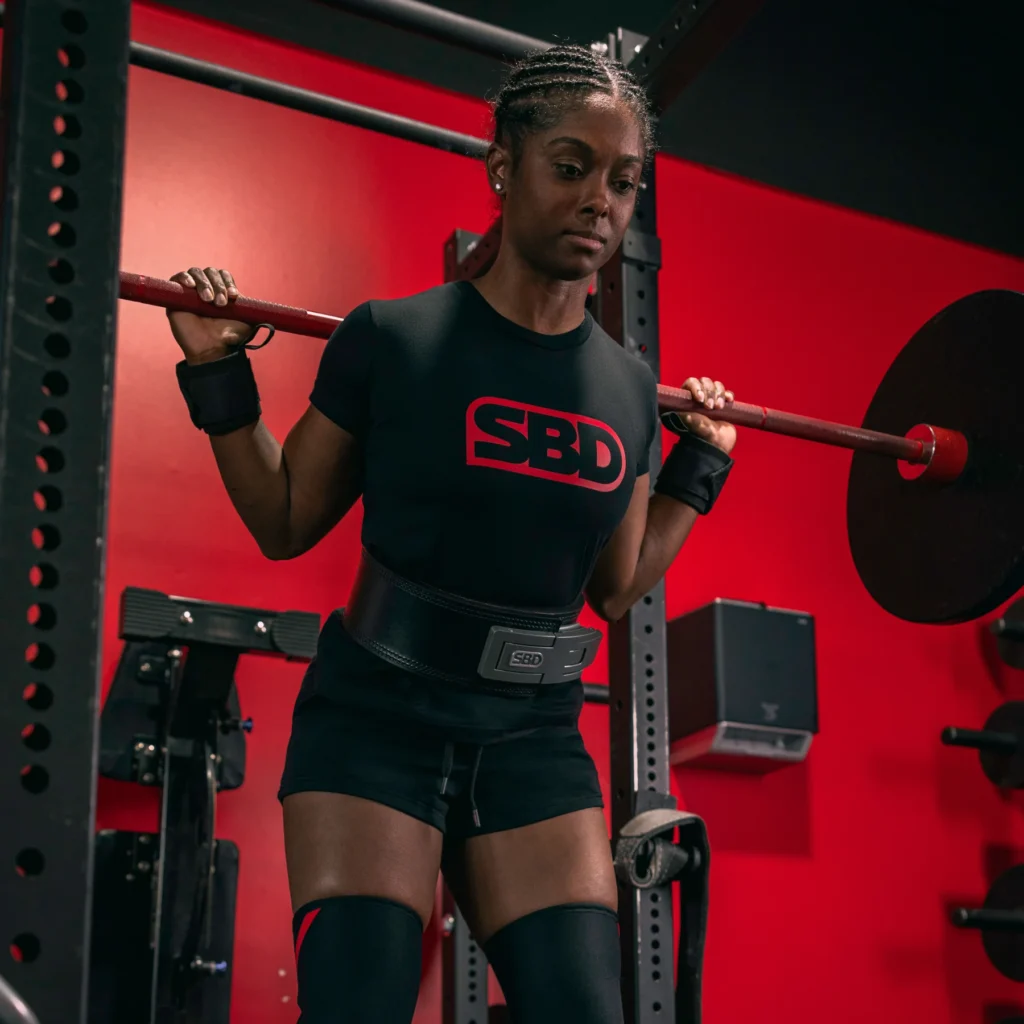
SBD’s value proposition is clarity itself: competition-grade equipment built without compromise.
The brand does not promise accessibility, versatility, or lifestyle alignment. It promises:
- precision
- durability
- compliance
Product Strategy: One Product as the Foundation
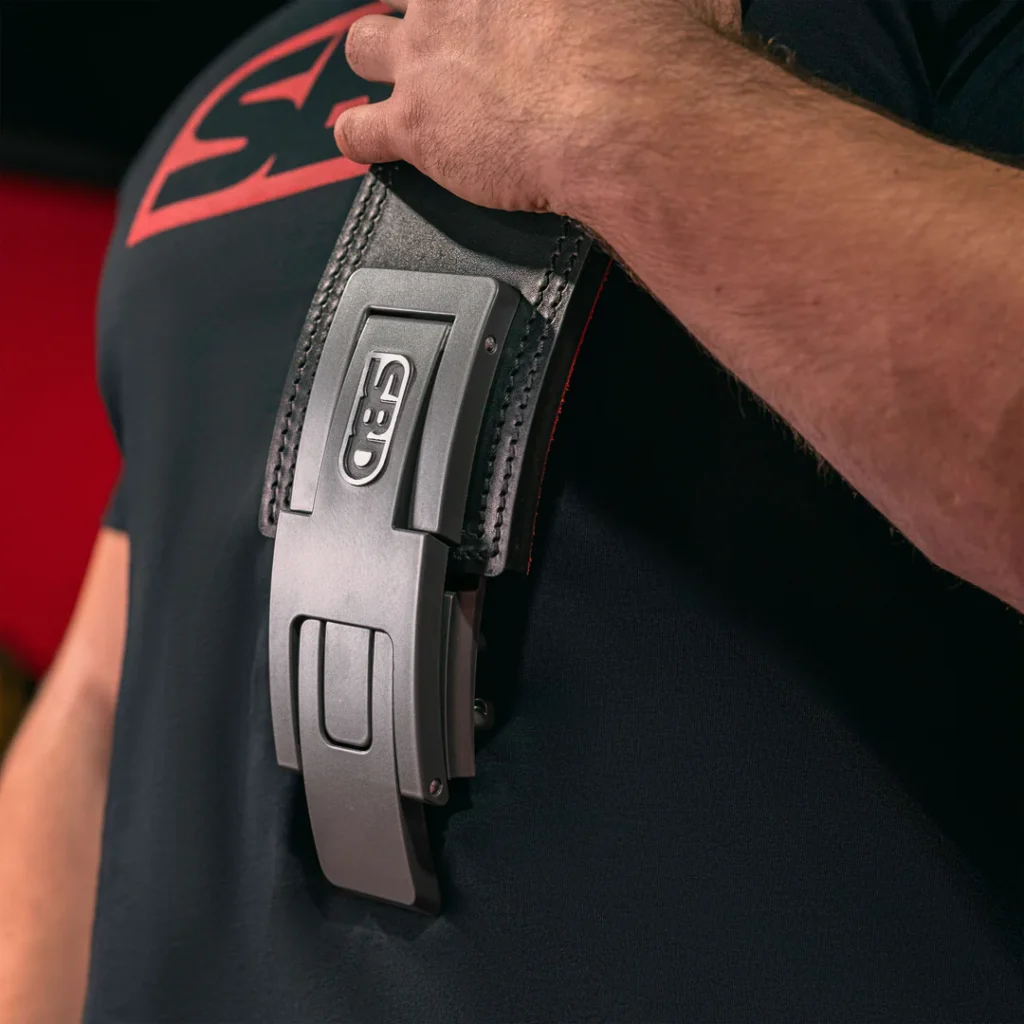
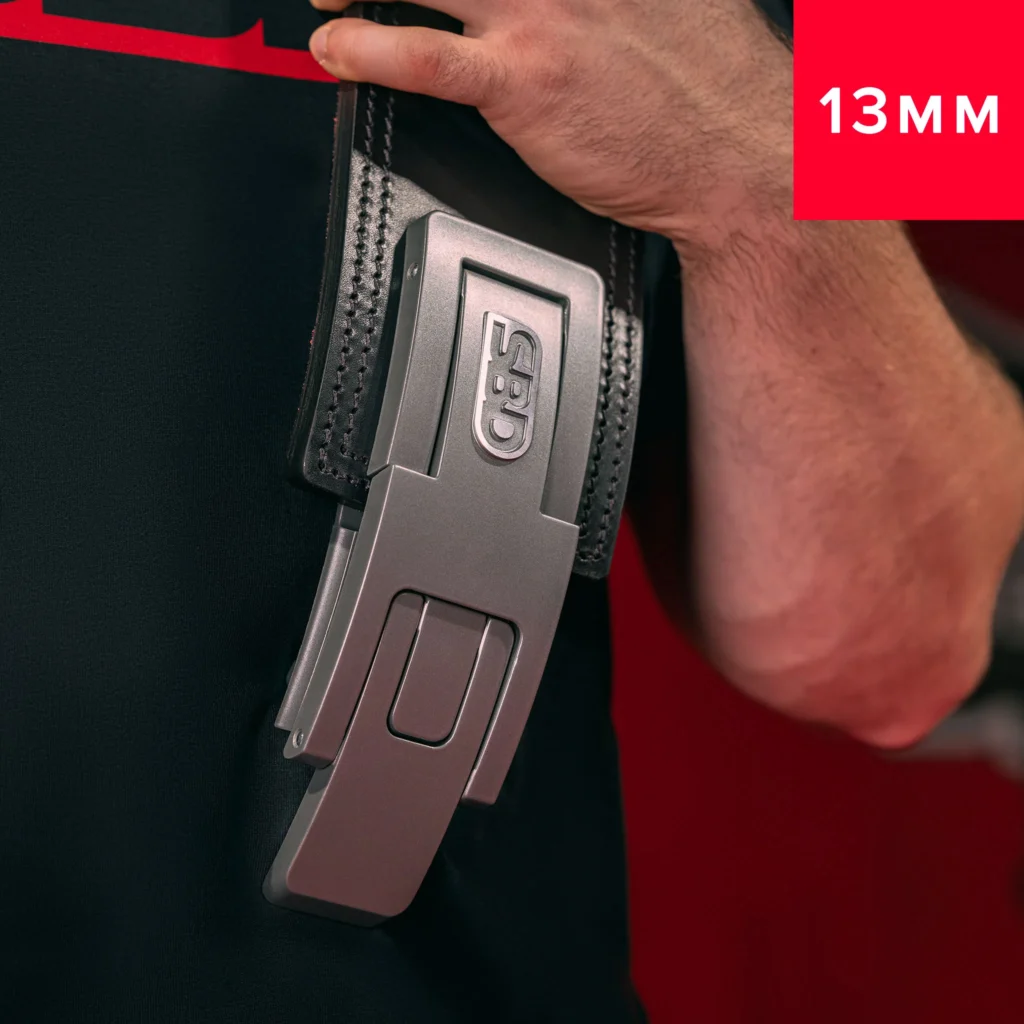
SBD’s brand is fundamentally built on the success of its lifting belt. While the company now offers a full suite of powerlifting equipment, its authority originates from this single product.
The SBD belt differentiated itself through:
- exceptional leather quality and construction
- strict manufacturing consistency
- a proprietary lever locking mechanism that allowed repeatable, secure tightness
The locking system solved a practical and consequential problem for competitive lifters: achieving maximal bracing with minimal variability between attempts. The belt became trusted not because it was marketed as superior, but because lifters experienced the difference directly.Over time, the SBD belt developed a reputation as one of the best lifting belt in competitive powerlifting.
Expansion Built on Credibility
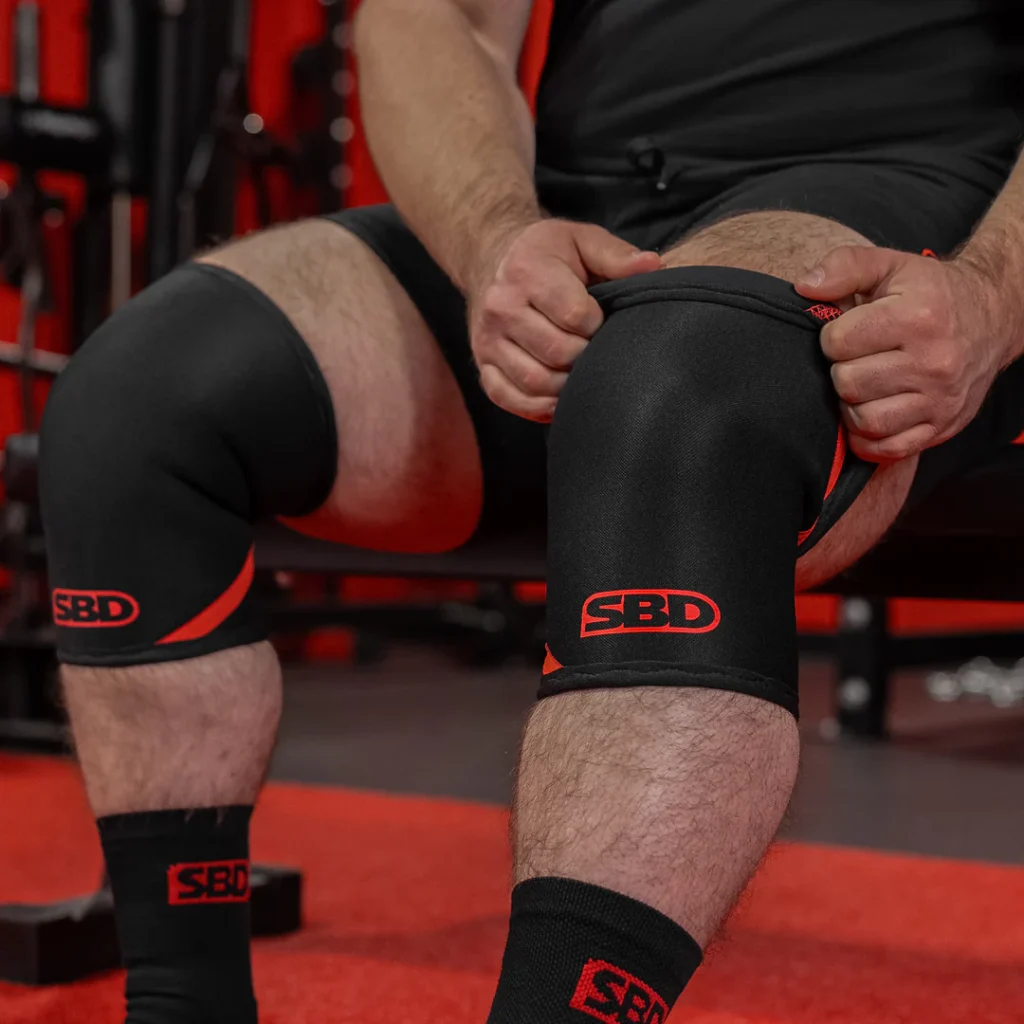
Only after establishing dominance with the belt did SBD expand into adjacent products: knee sleeves, wrist wraps, apparel, and singlets. Importantly, this expansion followed the same principles that defined the original product:
- competition-first design
- incremental refinement rather than reinvention
- adherence to federation standards
Because the brand’s credibility was already secured, new products were not evaluated as experiments. They were trusted extensions of a proven standard.
Brand Positioning and Messaging
SBD’s messaging is restrained and functional. Visuals emphasize real competition settings and elite lifters. Language avoids transformation narratives, lifestyle cues, or emotional exaggeration.
The brand positions itself not as inspiration, but as infrastructure—a tool that exists to support performance rather than define identity. This restraint reinforces trust and keeps attention focused on the product itself.
Marketing and Growth Strategy
SBD’s marketing strategy is inseparable from the sport. Growth is driven by:
- presence at major competitions
- federation alignment
- visible use by elite athletes
Rather than pursuing broad digital reach, the brand concentrates visibility where legitimacy is established. Social media reinforces this positioning rather than expanding it.
This approach creates a reinforcing loop: the strongest lifters use SBD; therefore, serious lifters choose SBD.
Competitive Differentiation
SBD differentiates itself by not expanding its ambition faster than its credibility.
Key points of differentiation include:
- obsessive focus on competition standards
- refusal to dilute the product line with casual fitness gear
- consistency in materials, construction, and aesthetics
- authority derived from performance rather than promotion
Where competitors may chase broader markets, SBD reinforces its position by staying narrow.
Risks and Constraints
SBD’s specialization limits its total market size. Growth is bounded by the scale of competitive powerlifting and by regulatory structures. Additionally, reliance on rule compliance requires ongoing vigilance as standards evolve.
However, these constraints also protect the brand. They prevent overextension and maintain clarity of purpose.
Strategic Takeaways: Product-Led Brand Building
SBD illustrates several principles that extend far beyond powerlifting.
Exceptional products precede strong brands.
Marketing can amplify value, but it cannot create it. SBD’s brand exists because the belt solved a real problem better than any alternative.
Focus compounds credibility.
By concentrating on one product category and perfecting it, SBD earned trust that later enabled expansion.
Growth should follow proof, not aspiration.
SBD expanded only after its flagship product had become the standard. This sequence reduced risk and preserved brand integrity.
Brands are discovered, not invented.
SBD did not decide what it wanted to represent in the abstract. Its identity emerged from what the product consistently delivered.
This pattern is visible across categories. There is no Apple without the iPhone and the MacBook. Those products were transformational in their respective spaces, and the brand followed from that transformation. SBD demonstrates the same logic at a smaller, more disciplined scale.
The strongest brands are not built by saying more. They are built by making something so good that it speaks for itself.
Leave a Reply