
Saint Paul — A Personal Reflection
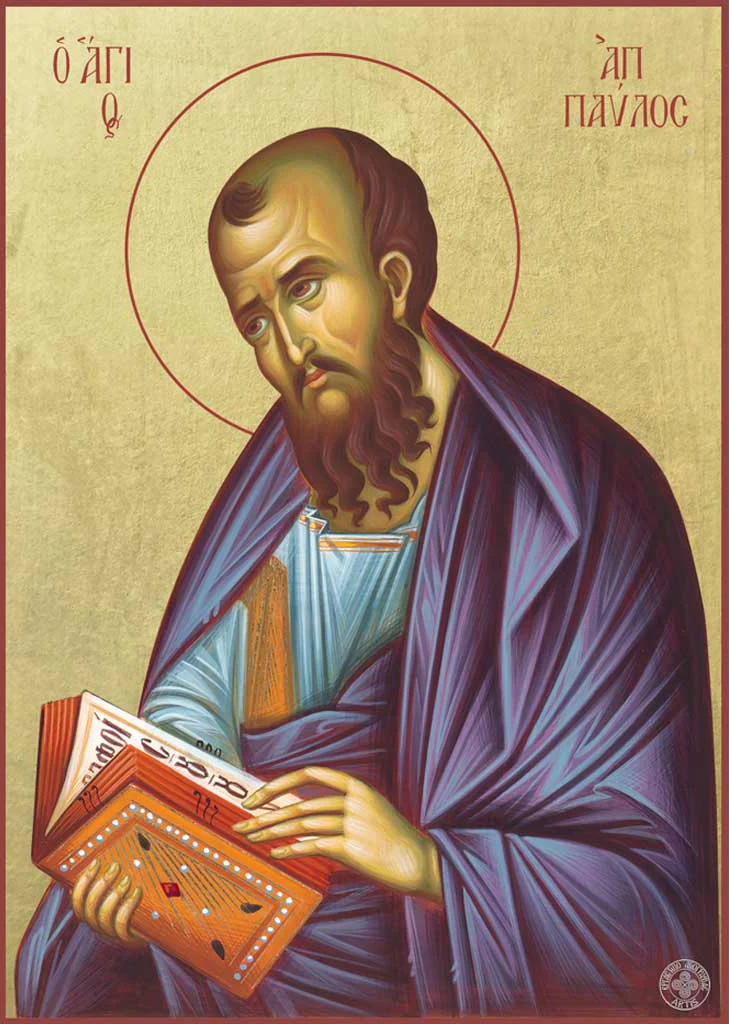
I find Paul endlessly interesting, and I think it’s because of how driven he was. Paul was hardworking, ambitious, intelligent, and serious. He was a striver. Someone who pushed forward with conviction. Someone who didn’t drift through life passively but pursued what he believed in with intensity.
What makes Paul’s story so striking to me is that his striving wasn’t weak or misguided in the way we usually imagine failure. He was not lazy. He was not confused. He was not apathetic. He was disciplined, educated, and formally trained in religion. He was young and already in leadership. He was approved and respected by the Pharisees. He was a Roman citizen. From every human standard, Paul was on his way to a good life.
He was succeeding.
And yet, all of that effort—real effort—was aimed in the wrong direction.
Paul describes his former life clearly and without embarrassment:
“If anyone else thinks he has reason for confidence in the flesh, I have more: circumcised on the eighth day, of the people of Israel, of the tribe of Benjamin, a Hebrew of Hebrews; as to the law, a Pharisee; as to zeal, a persecutor of the church; as to righteousness under the law, blameless.”
— Philippians 3:4–6
That passage always unsettles me. Paul wasn’t rebelling in his own mind. He thought he was doing the right thing. His zeal was sincere. His effort was disciplined. His ambition was strong.
But sincerity didn’t make him right.
Paul was working hard, building a future, earning respect—and still heading directly against the true and living God.
Then comes the road to Damascus.
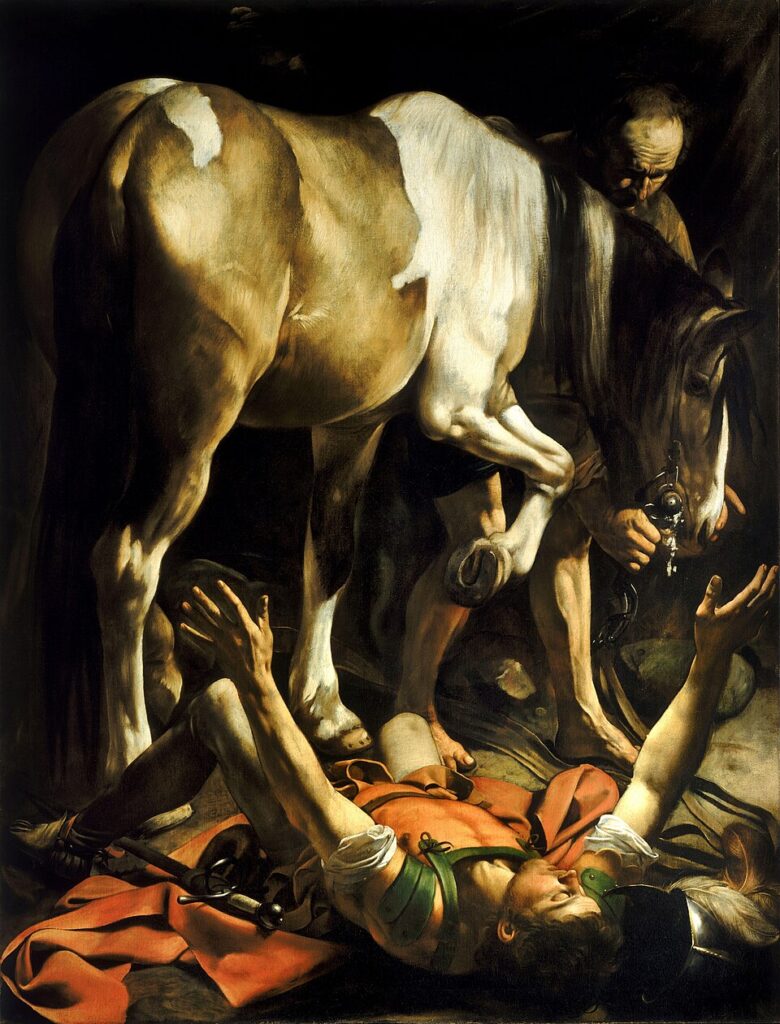
Paul wasn’t questioning his path. He wasn’t searching for truth. He was confident, moving forward with authority, convinced that his actions were justified. And that’s exactly when everything collapsed.
“Now as he went on his way, he approached Damascus, and suddenly a light from heaven shone around him. And falling to the ground he heard a voice saying to him, ‘Saul, Saul, why are you persecuting me?’”
— Acts 9:3–4
Paul falls. He is blinded. He is completely stopped.
I think this is important: Paul doesn’t slowly change direction. He is broken mid-stride. He was so headstrong, so committed to his own path, that it took complete disorientation to reset him.
I relate to that deeply.
Later, Paul refers to himself as “the least of the apostles”:
“For I am the least of the apostles, unworthy to be called an apostle, because I persecuted the church of God.”
— 1 Corinthians 15:9
From a human perspective, this makes little sense. Paul probably did more outward ministry than anyone else we have recorded. He planted churches. He suffered beatings, imprisonment, hunger, and danger. He wrote more of the New Testament than anyone else.
So why does he call himself the least?
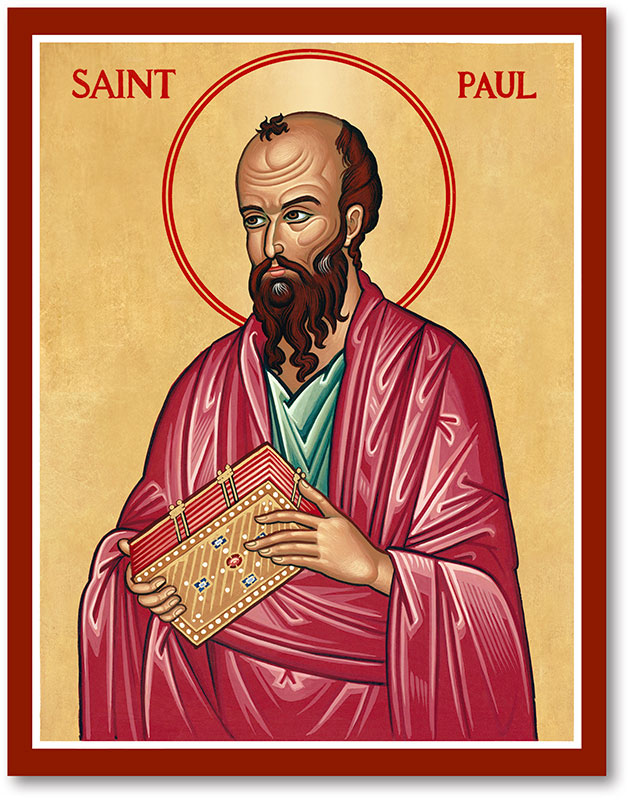
I don’t think Paul was minimizing his work. I think he never forgot who he was before his conversion. He knew how driven he was, how capable he was, and how dangerous that combination had been when aimed in the wrong direction.
Paul also says something that explains this tension:
“But by the grace of God I am what I am, and his grace toward me was not in vain. On the contrary, I worked harder than any of them—though it was not I, but the grace of God that is with me.”
— 1 Corinthians 15:10
Paul didn’t stop working hard. If anything, he worked harder. But he no longer saw his effort as coming from himself. His work was real—but its source was no longer his own ambition.
“It is not I.”
That idea has stayed with me.
Paul also writes:
“Make it your ambition to lead a quiet life.”
— 1 Thessalonians 4:11
What kind of ambition is that?
Romans were ambitious people. Greeks were ambitious people. Paul himself was ambitious. Yet here he reframes ambition entirely—not as recognition, success, or expansion, but as quiet faithfulness.
That feels almost un-American. Maybe it always has. We associate ambition with winning, visibility, and achievement. Paul associates it with restraint and obedience.
This is where Paul’s story becomes personal for me.
I see in myself that same drive—the desire to push forward, to make things happen, to shape my life according to my plans. At my best, that drive has made me focused, disciplined, and passionate. But I also see how that same drive has blinded me.
I look back on my life and ask the “what ifs.”
What if I had stuck with basketball and played in college?
What if I had pursued MMA seriously?
What if I stayed in real estate and became an entrepreneur?
What if that relationship had worked out?
I replay these paths and wonder where I would be now.
But Paul’s story introduces a harder question: what if God didn’t want those paths to succeed?
That’s difficult to accept. It suggests that failure isn’t always a mistake. Sometimes it’s necessary. Sometimes it’s the only thing that can stop a person who is set on their own way.
Paul had to fall off his horse.
When I look at my own life, the moments that changed me most weren’t the wins. They were the moments that felt dark, traumatic, humiliating, and shameful. Moments where I felt weak. Moments where I felt unseen by God. Moments where it felt like God wanted me to fail.
Scripture says:
“The Lord disciplines the one he loves.”
— Hebrews 12:6
I understand what it feels like to think God does not want you to win. But maybe He doesn’t want you to win that way. Maybe winning that world would mean losing your soul.
Jesus asks the question plainly:
“For what does it profit a man to gain the whole world and forfeit his soul?”
— Mark 8:36
Paul gained clarity by losing control. He saw Saul clearly—and that’s how he became Paul.
I think we struggle to let God be king because we want to be king of our own lives. We hold tightly to our plans, our identities, our dreams. And when those things fall apart, we assume something went wrong.
Paul’s story suggests something else.
Sometimes nothing went wrong.
Sometimes the fall was the mercy.
Leave a Reply