
Brand Study: Alo
Marketing strategy, sales model, influence, and differentiation
Overview
Alo occupies a distinct position within the athleisure market by approaching apparel not primarily as performance gear, but as a visual and cultural extension of wellness. While competitors often emphasize either technical performance (Lululemon) or everyday versatility (Vuori), Alo focuses on yoga as an aesthetic and identity that can be worn beyond the studio.
The brand’s growth has been closely tied to its ability to merge fashion, social visibility, and wellness culture into a coherent commercial strategy.
Financial and Ownership Context
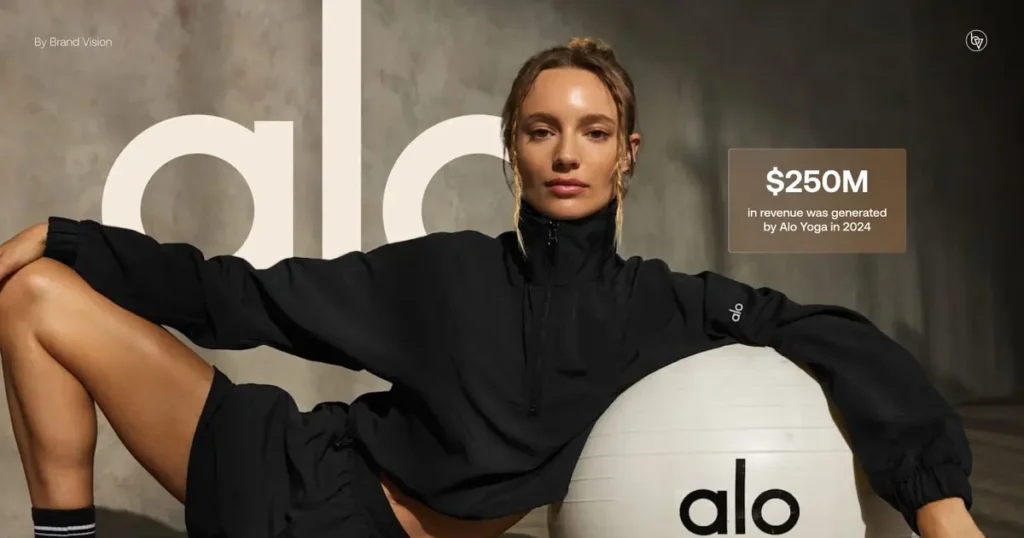
Alo operates very differently from many of its high-profile competitors in terms of ownership and capital strategy. While the brand is highly visible culturally, it remains privately held and founder-controlled, which has shaped both its growth pace and its marketing behavior.
Ownership Structure
Alo is owned by Color Image Apparel, a vertically integrated apparel company based in Los Angeles. Color Image Apparel was founded by Danny Harris and Marco DeGeorge, who continue to play central roles in the brand’s direction.
This structure is significant because it means:
- Alo is not venture-backed in the traditional sense
- There is no public pressure for short-term liquidity events
- Strategic decisions remain closely tied to founder vision
Unlike brands that rely on external growth capital, Alo has been able to fund expansion largely through internal cash flow and operational control.
Marketing Strategy: Wellness as a Visible Identity
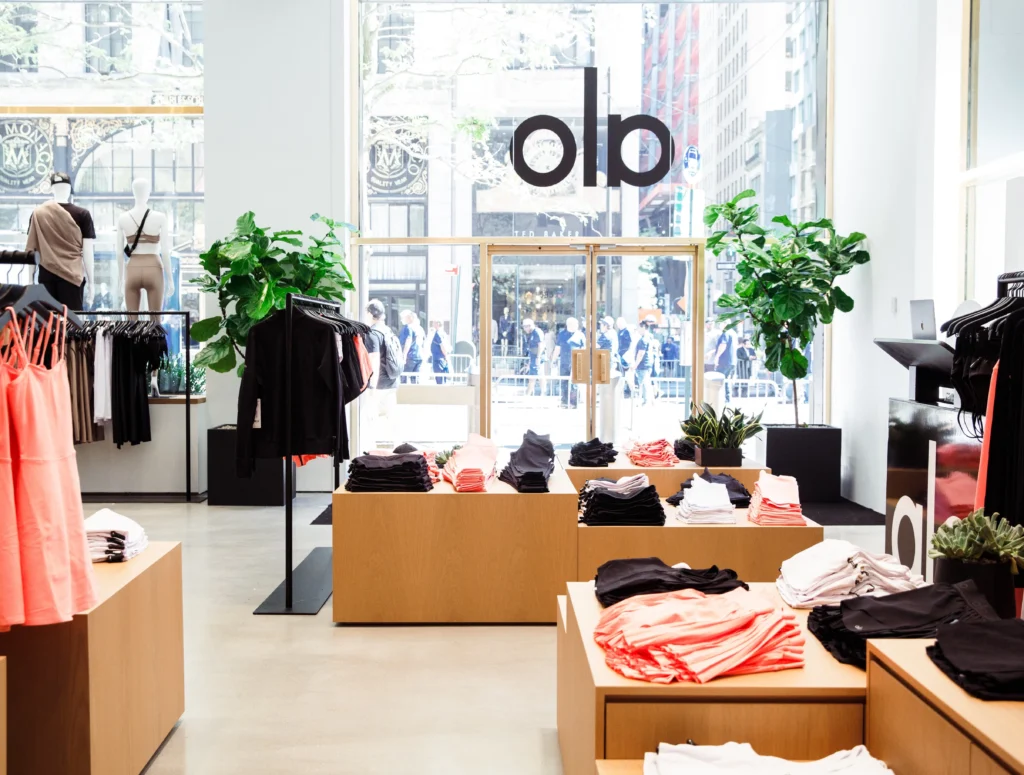
Alo’s marketing centers on the idea that wellness is not only practiced, but displayed. The brand’s campaigns consistently place apparel in highly stylized yoga and lifestyle contexts that translate well across digital platforms.
Key elements of Alo’s marketing approach include:
- Strong emphasis on visual content designed for social media
- Clean, polished imagery that blends fashion and fitness
- Messaging that aligns yoga with aspiration, balance, and self-improvement
Rather than framing yoga purely as practice or discipline, Alo presents it as a lifestyle that can be expressed outwardly through clothing.
Influencer and Celebrity Strategy
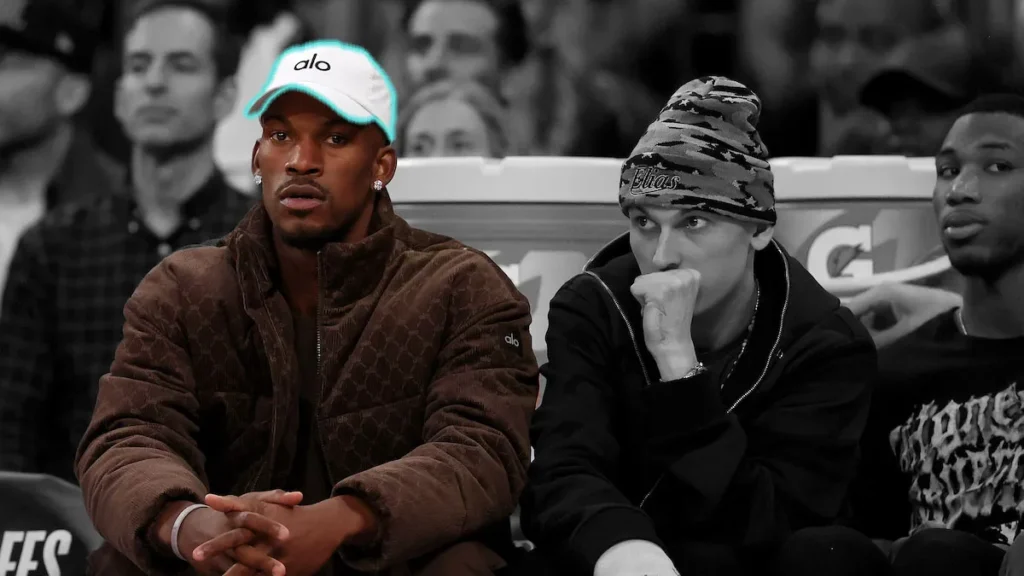
Influencer marketing has been central to Alo’s rise. The brand has been particularly effective at aligning with high-visibility figures who sit at the intersection of wellness, fashion, and celebrity culture.
Notable figures frequently associated with Alo include:
- Kendall Jenner
- Jimmy Butler
- Hailey Bieber
- Gigi Hadid
Also, High-profile yoga instructors and wellness influencers with large digital followings have been key to the brand’s growth.
These partnerships position Alo not just as studio wear, but as clothing that belongs in everyday public life. The visibility of Alo apparel in non-exercise settings reinforces its fashion-forward appeal.
Studio-Centric Ecosystem
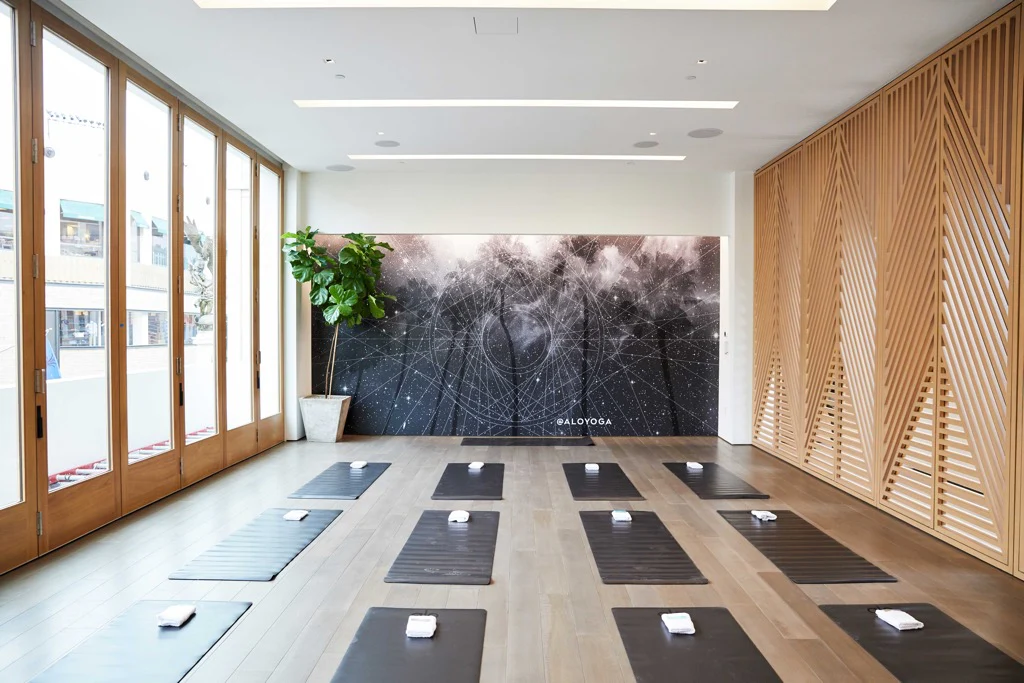
Alo differentiates itself by investing heavily in yoga studios and experiential spaces, particularly in major cities. These spaces function as:
- Practice environments
- Community hubs
- Content-generation centers
- Brand reinforcement tools
This studio-first strategy deepens the association between Alo and yoga culture while providing highly shareable environments that fuel digital marketing organically.
Sales Strategy and Distribution
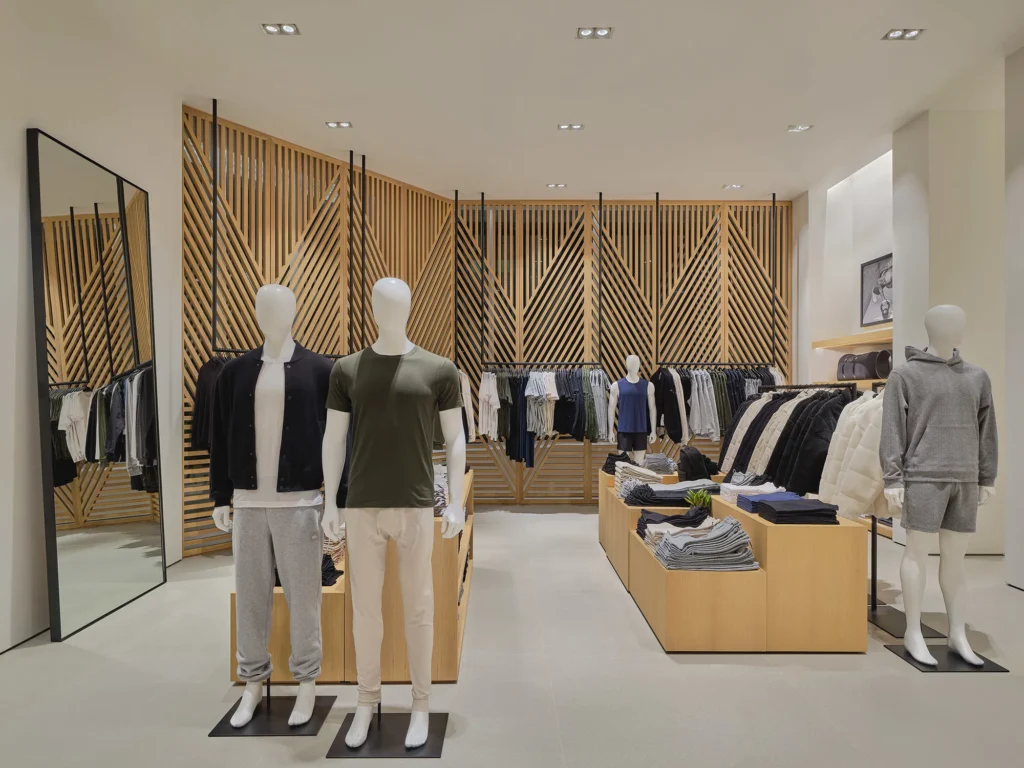
Alo operates with a strong direct-to-consumer focus, supported by flagship retail locations in high-traffic urban areas. The brand uses frequent product drops and limited-run styles to encourage repeat engagement and urgency.
Sales drivers include:
- Trend-responsive collections
- Coordinated sets that increase average order value
- Seasonal colorways and silhouettes
- Strong online-to-retail integration
Compared to competitors, Alo is more comfortable with fashion-driven cadence, introducing newness at a faster pace.
Product Differentiation
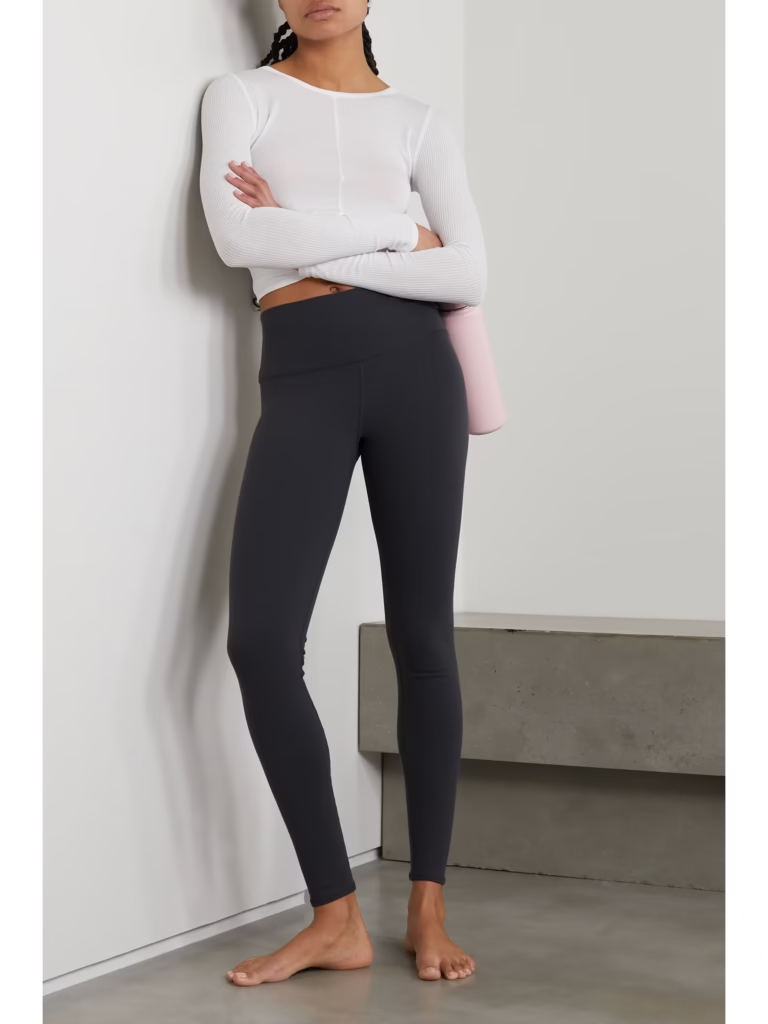
Alo’s apparel is designed to balance functionality with style, often prioritizing visual structure and silhouette over technical performance metrics.
Common product characteristics:
- Sculpted fits and compression-forward fabrics
- High-waisted leggings and cropped tops
- Coordinated sets designed for visual cohesion
- Materials optimized for studio environments rather than high-impact training
This approach makes Alo particularly appealing to consumers who value how clothing looks both during and after workouts.
What Makes Alo Different
Alo’s primary differentiation lies in how it frames wellness:
- Wellness as identity, not just activity
- Yoga as both practice and aesthetic
- Apparel as a visual signal of lifestyle alignment
Unlike Lululemon, which emphasizes discipline and performance, or Vuori, which emphasizes comfort and adaptability, Alo emphasizes visibility and style within wellness culture.
Competitive Positioning (Simplified)
- Lululemon: technical performance and longevity
- Vuori: comfort, versatility, everyday movement
- Alo: fashion-forward yoga and visible wellness
These distinctions allow Alo to coexist with competitors while appealing to a specific consumer motivation: the desire for wellness to be both practiced and seen.
Summary
Alo’s success is driven by a tightly aligned system of visual marketing, influencer partnerships, studio-based experiences, and fashion-forward product design. By embedding itself deeply in yoga culture while amplifying that culture through digital visibility, Alo has built a brand that resonates strongly with consumers who view wellness as part of personal identity.
Its differentiation is not rooted in technical superiority, but in cultural relevance and aesthetic coherence within the modern wellness landscape.
Leave a Reply