
Wine Education: Merlot
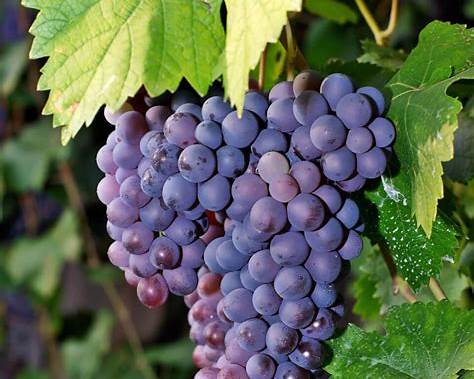
A practical, modern understanding of one of the world’s most misunderstood grapes
Introduction
Merlot is one of the most widely planted red grape varieties in the world, yet it is also one of the most frequently misunderstood. Its reputation has fluctuated dramatically over the past several decades, shaped as much by market trends and pop culture as by the wine itself.
At its best, Merlot produces wines of depth, balance, and quiet complexity. At its worst, it can be overripe, indistinct, and forgettable. Understanding Merlot requires separating the grape’s natural character from the stylistic choices imposed on it.
What Is Merlot?
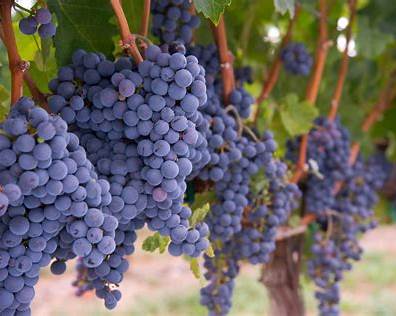
Merlot is a red grape variety known for its relatively thin skins, early ripening, and supple tannin structure. Compared to Cabernet Sauvignon, Merlot generally produces wines that are softer, rounder, and more immediately approachable.
Key structural traits:
- Medium acidity
- Moderate tannins
- Plush texture
- Fruit-forward profile when ripe
These qualities make Merlot both versatile and vulnerable. It performs well across many climates, but that same adaptability can lead to wines that lack distinction if site and farming are not carefully considered.
Origins and Reminder of Greatness
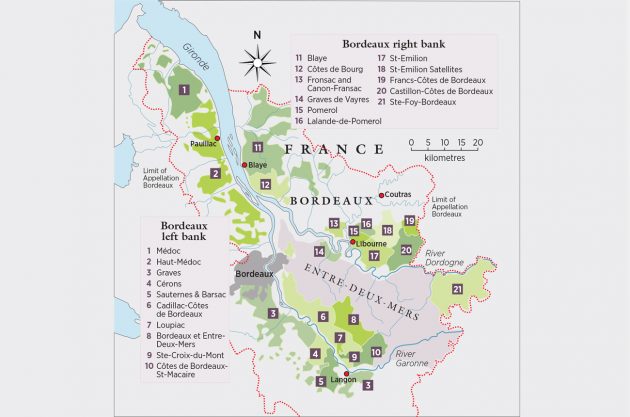
Merlot’s historical importance is clearest in Bordeaux, particularly on the Right Bank, where it dominates blends in regions such as Saint-Émilion and Pomerol.
In these areas, Merlot thrives because:
- Clay-rich soils retain moisture
- Cooler conditions slow ripening
- Alcohol remains moderate
- Structure comes from acidity and soil, not extraction
Some of the most revered and long-lived wines in the world are Merlot-dominant. These wines are not soft or simple; they are layered, savory, and age-worthy.
Merlot in the New World
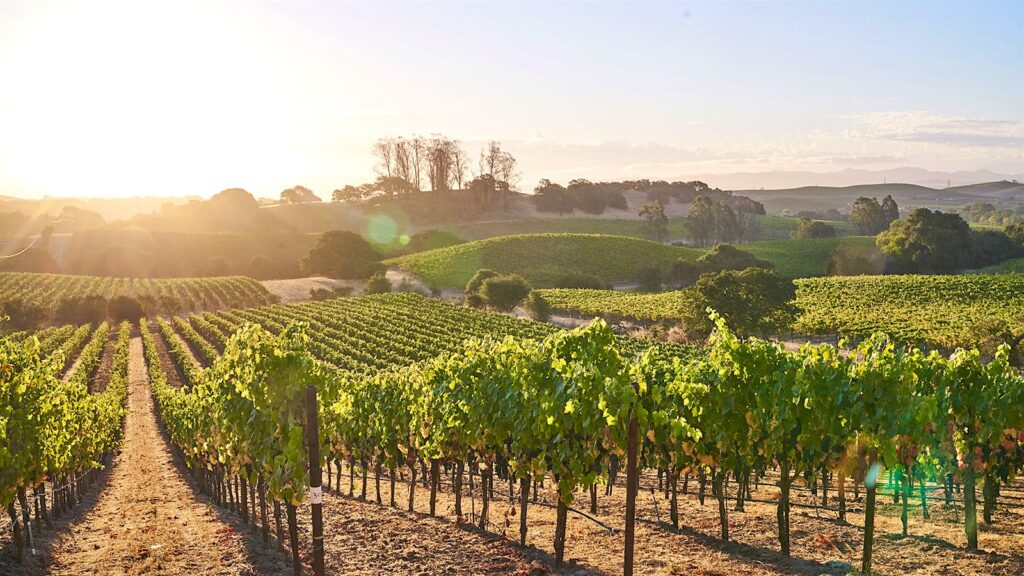
In California and other New World regions, Merlot’s trajectory has been more complicated. In warmer climates, Merlot ripens easily, accumulating sugar quickly and losing acidity if harvested too late.
This led to a wave of wines that emphasized:
- Overripe fruit
- High alcohol
- Soft structure without definition
The result was a category perception problem rather than a grape problem.
In cooler sites—such as parts of Sonoma County—Merlot can still perform extremely well when treated with restraint. Cooler nights preserve acidity, and earlier harvesting maintains freshness and shape.
Climate Matters: Cool vs Warm
Cool-Climate Merlot
- Lower alcohol
- Red fruit (plum, cherry, red currant)
- Herbal and savory notes
- Better structural balance
Warm-Climate Merlot
- Higher alcohol
- Black fruit (black cherry, chocolate)
- Softer acidity
- Broader, less defined palate
Merlot benefits from conditions that slow ripening and preserve tension. When alcohol and extraction are kept in check, the grape shows nuance rather than sweetness.
Winemaking Choices That Define Style
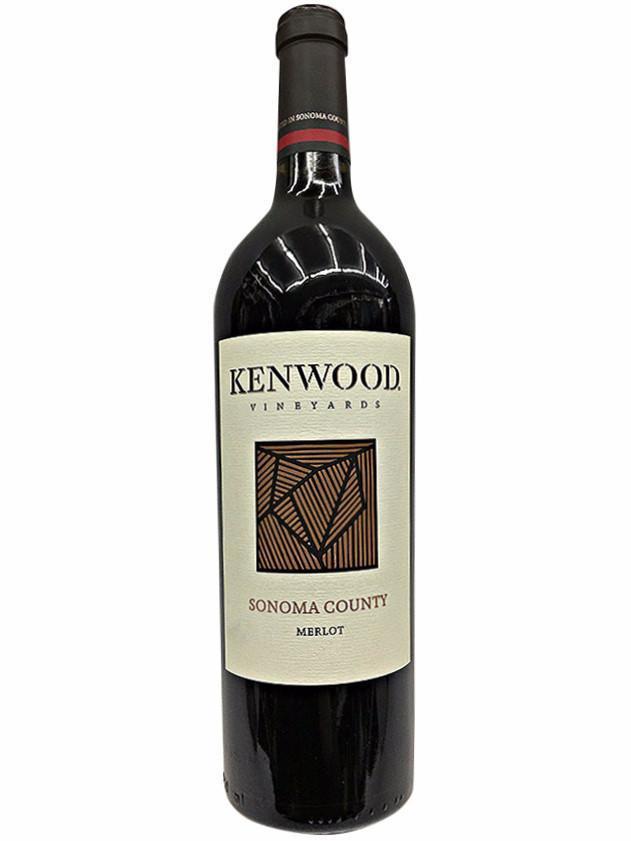
Because Merlot has naturally soft tannins, winemaking decisions matter greatly.
Key considerations:
- Harvest timing: earlier picks preserve structure
- Extraction: gentle handling avoids muddiness
- Oak use: excessive new oak can overwhelm the wine
- Alcohol management: balance is more important than power
The best Merlots are not pushed. They are guided.
Why Merlot Lost — and Is Regaining — Relevance
Merlot’s decline in popularity had little to do with quality and much to do with overproduction and stylistic homogeneity. When the grape was treated as an easy, high-yield solution, the wines became interchangeable.
Today, interest in:
- site expression
- moderate alcohol
- food-friendly wines
has created an opportunity for Merlot to be reassessed. In the right place, with the right intent, it aligns well with modern drinking habits.
How to Think About Merlot Today
Merlot should be evaluated not by reputation, but by context.
Ask:
- Where was it grown?
- How warm was the site?
- What was the alcohol level?
- Is the wine structured or simply soft?
Merlot excels when it is treated seriously and grown where balance comes naturally.
Summary
Merlot is not inherently simple or flawed. It is responsive, expressive, and capable of producing wines of real distinction when grown in appropriate climates and handled with restraint.
Its future depends on intention rather than volume. For drinkers interested in balance, texture, and quiet complexity, Merlot remains one of the most rewarding grapes to understand.
Leave a Reply