
Brand Study: Peloton
Building a Fitness Operating System
What’s most impressive about Peloton isn’t a single product.
It’s the integration.
Peloton has quietly built something closer to a fitness operating system than a bike company: hardware, software, content, apparel, accessories, community, and financing—stitched together into one seamless experience. You don’t just buy a bike. You enter Peloton.
One Platform, Many Entry Points
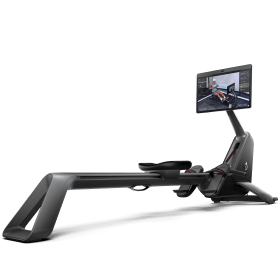
Peloton now offers:
- Bikes (Bike, Bike+)
- Treadmills
- A row machine
- Shoes and apparel
- A deep content library (cycling, strength, running, yoga, mobility)
- A unified app experience across devices
From a user’s perspective, this creates a powerful psychological effect: one brand for all workouts. No piecing together equipment, apps, or programming. Peloton positions itself as the default.
That “one-stop shop” feeling is intentional—and hard to replicate.
Pricing: Hardware Is the Door, Subscription Is the Engine
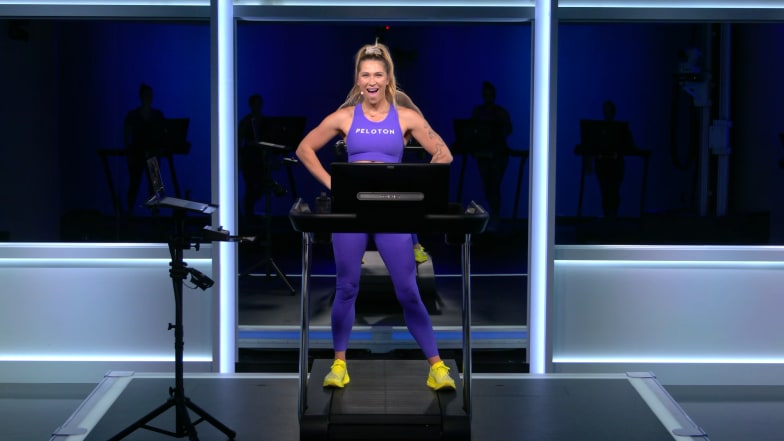
Peloton’s flagship Bike+ currently starts at $2,695 . But the real business is ongoing.
- All-Access Membership (equipment owners): $49.99/month
- App-only tiers exist at lower price points (e.g., App+) for users without hardware
This model reframes value:
- Hardware = entry ticket
- Subscription = compounding relationship
It’s not “expensive equipment”; it’s membership into a platform.
Financing: A Conversion Engine (Even If You Hate Debt)

Peloton prominently offers monthly financing through Affirm, often advertising $0 down and low or promotional APRs (terms vary) .
From a consumer-finance ethics lens, it’s fair to be skeptical.
From a business lens, it’s undeniably effective.
Embedded financing:
- Lowers perceived price friction
- Expands the addressable market
- Keeps checkout contained within Peloton’s flow
Peloton isn’t acting as a bank; it’s surfacing financing at the exact moment of desire, which materially boosts conversion.
Public Company Reality Check
Peloton is a publicly traded company (NASDAQ: PTON) , and its recent years have been about transition.
- FY2025 revenue: ~$2.49B
- FY net loss: around -$118.9M reported in summaries
- Turnaround indicators: Reuters reported raised FY2025 adjusted EBITDA guidance to $300M–$350M amid cost discipline and subscription focus
- Cash flow: Q1 FY2026 showed positive operating cash flow and free cash flow
The strategic direction is clear: less hardware dependence, more platform economics.
Design: Why Peloton Feels “Apple-Like”
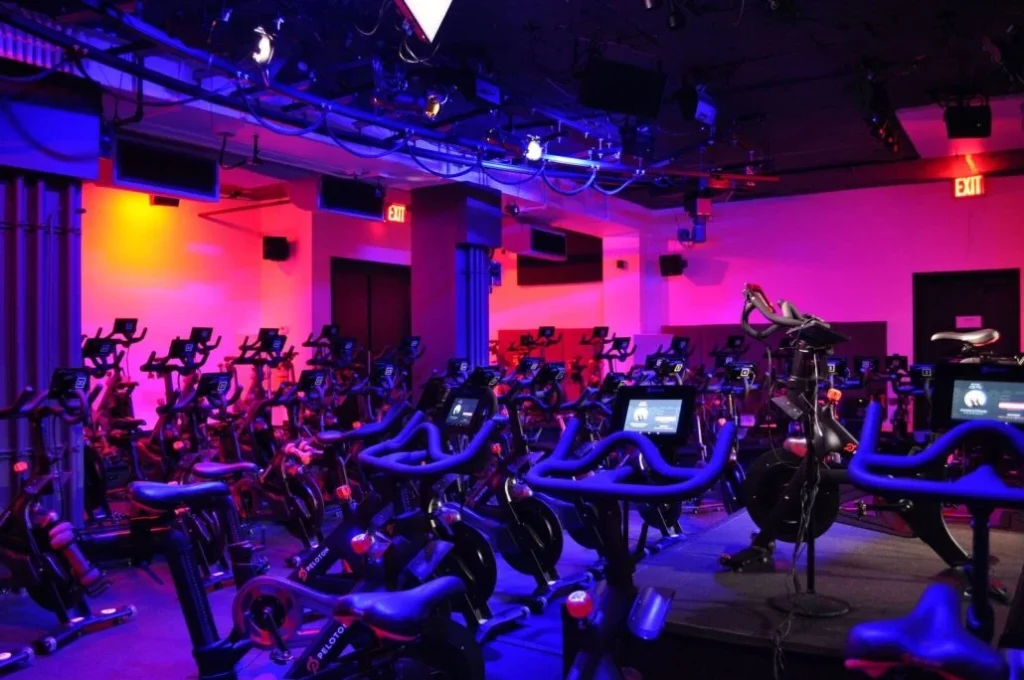
Peloton’s design does heavy lifting:
- Clean product pages
- Consistent typography and photography
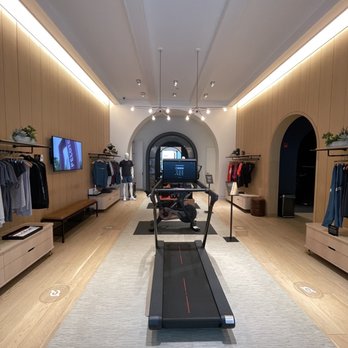
- Retail spaces that feel like consumer tech showrooms
Complexity is hidden. The user experiences clarity, not choice overload. That’s why Peloton feels premium even when competitors undercut on price.
Who Shapes the Creative?
Peloton doesn’t rely on a single agency, but notable partners have shaped key campaigns:
- Special Group London on global creative like “Find your push. Find your power”
- Stink Studios on repositioning and digital experiences
The takeaway: Peloton invests in world-class creative partners to reinforce its platform narrative, not just to sell products.
Peloton, AG1, and WHOOP
Peloton shares a strategic DNA with AG1 and WHOOP.
Shared Principles
- Subscription is the core business
- Peloton: $49.99/mo All-Access
- AG1: $79/mo subscription vs $99 one-time purchase
- WHOOP: membership-first model with hardware bundled into plans
- “One decision” positioning
- Peloton replaces gym + trainer + programming
- AG1 replaces a shelf of supplements
- WHOOP replaces fragmented fitness tracking
- Identity and community
These brands don’t just sell utility—they sell belonging.
The Core Insight
Peloton’s real product is integration.
By controlling hardware, software, content, retail, and financing, Peloton reduces friction at every step and increases lifetime value through habit and identity.
You don’t assemble a fitness stack.
You join Peloton.
What Builders Can Learn
- Build platforms, not products
- Hide complexity behind clean design
- Use financing strategically (with eyes open)
- Make the subscription feel inevitable, not optional
- Create a brand people enter, not just buy
Leave a Reply