
Among the Billions:Alexander the Great
Series — Among the Billions
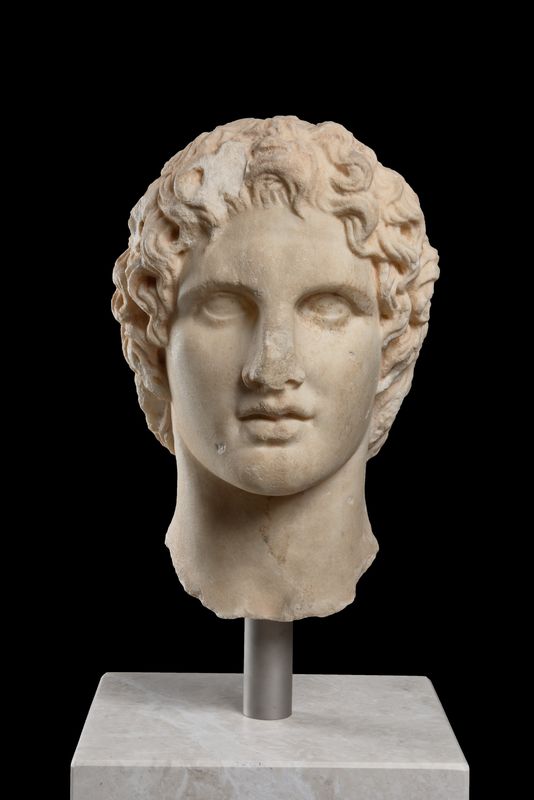
Across billions of human lives, only a few reshape the world so completely that history is forced to reorganize itself around them. Alexander of Macedon is one of those figures.
Origins and Formation
Alexander was born in 356 BCE in Pella, the capital of Macedon, to a father already shaping history and a mother who expected greatness. His father, Philip II of Macedon, forged Macedon into a military power. His mother, Olympias, filled Alexander’s imagination with stories of heroes, destiny, and divine favor.
From an early age, Alexander was immersed in ambition. He was educated by Aristotle, who taught him philosophy, ethics, science, and literature. Alexander reportedly carried a copy of Homer’s Iliad with him on campaign, treating Achilles not just as a hero, but as a model.
This combination—military discipline from his father, intellectual formation from Aristotle, and mythic aspiration from his mother—produced a personality unlike any the ancient world had seen.
Early Signs of Restlessness
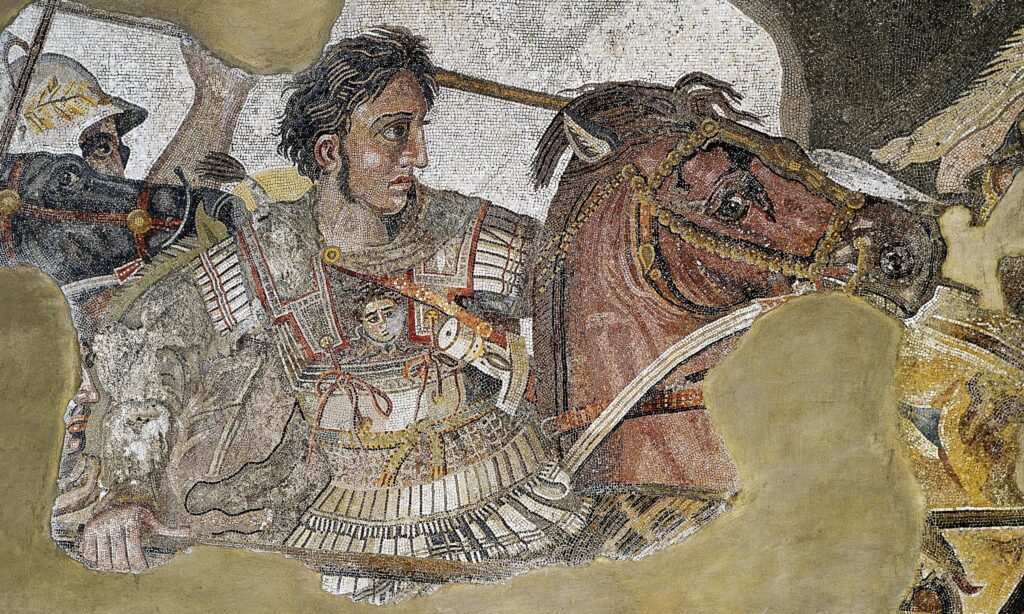
Even as a young man, Alexander showed impatience with inherited success. He is said to have complained that his father would leave him “nothing great to conquer.” This was not adolescent bravado; it was an early expression of the trait that defined his life: an intolerance for limitation.
When Philip II was assassinated in 336 BCE, Alexander became king at just twenty years old. Many expected revolt, fragmentation, or collapse. Instead, Alexander moved quickly and decisively—securing power at home, crushing rebellion, and preparing for a campaign that would exceed anything his father had imagined.
Conquest at a Scale the World Had Not Seen
Alexander crossed into Asia in 334 BCE with an army small by imperial standards and an objective few believed achievable: the defeat of the Persian Empire.
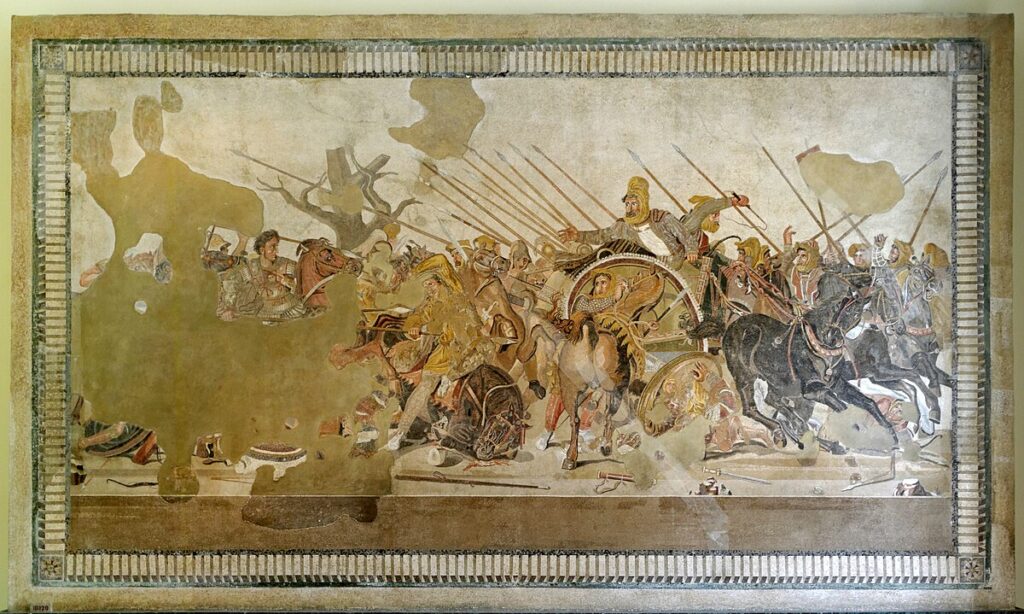
What followed defies compression. In little more than a decade, Alexander defeated Persian forces at Granicus, Issus, and Gaugamela, dismantled the largest empire on earth, and pushed his armies as far as India.
He was not merely victorious; he was relentless.
Alexander led from the front, fought personally in battle, and repeatedly placed himself in extreme danger. This earned intense loyalty from his soldiers, but also reflected a psychology driven by risk, glory, and momentum.
Psychological Profile: Drive, Charisma, and Excess
Ancient sources consistently describe Alexander as possessing extraordinary charisma. Soldiers followed him not only because he won, but because he shared their danger.
He combined:
- personal bravery bordering on recklessness
- emotional intensity
- deep sensitivity to honor and insult
- and an unyielding need to surpass all predecessors
He wept when he believed there were no more worlds left to conquer—not because conquest had satisfied him, but because it had not.
Yet this drive came at a cost. As the years passed, Alexander’s behavior became more erratic. He drank heavily, demanded gestures of near-divine honor, and reacted violently to perceived betrayal or disrespect.
The same intensity that fueled his ascent began to destabilize his command.
Cultural Vision: More Than a Conqueror
Alexander did not see himself merely as a destroyer of empires. He pursued a vision of cultural fusion—founding cities, encouraging intermarriage, adopting Persian customs, and spreading Greek language and thought across vast territories.
This vision laid the groundwork for the Hellenistic world, where Greek culture blended with Eastern traditions, shaping philosophy, science, and politics for centuries.
Even critics acknowledge that Alexander changed not just borders, but civilizations.
Controversies and Criticism
Violence and Destruction
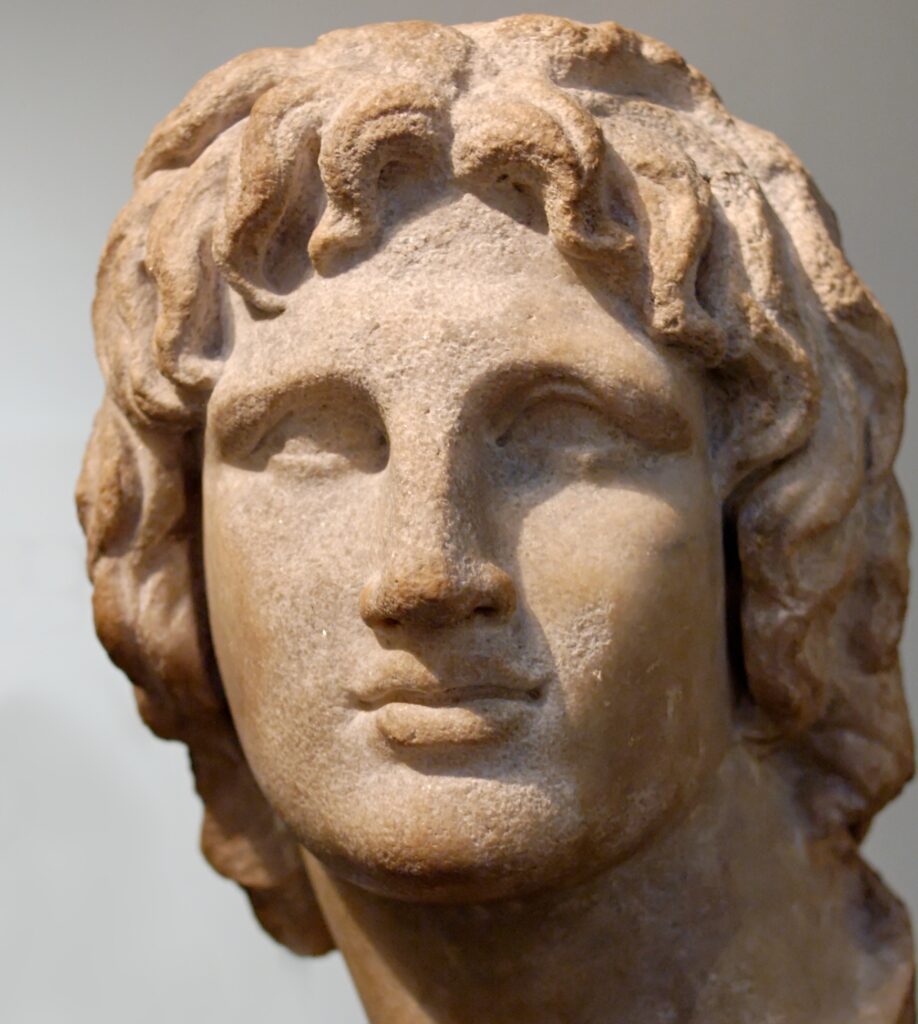
Alexander’s campaigns were brutal. Cities that resisted were destroyed. Civilians were enslaved or killed. Modern historians reject romantic portrayals that ignore the human cost of his ambition.
His greatness came with devastation.
Divine Pretensions
As his power grew, Alexander increasingly tolerated—or encouraged—claims of divinity. This alienated Macedonian officers and strained relationships with longtime companions.
The killing of his close friend Cleitus during a drunken rage remains one of the most disturbing episodes of his life.
Unsustainable Empire
Alexander left no clear plan for succession. When he died suddenly in 323 BCE at thirty-two, his empire fractured almost immediately. His vision outlived him culturally, but not politically.
Why Alexander Stands Out Among Billions
Alexander the Great stands apart because scale and speed converged in one human life.
He conquered more territory, more quickly, and at a younger age than any figure before or since. He altered trade routes, languages, military strategy, and cultural exchange across continents.
Without Alexander:
- the Hellenistic world does not emerge as it did
- Rome inherits a different intellectual landscape
- the spread of Greek philosophy and science is delayed or transformed
His impact was not incremental. It was tectonic.
A Life Too Large for Its Frame
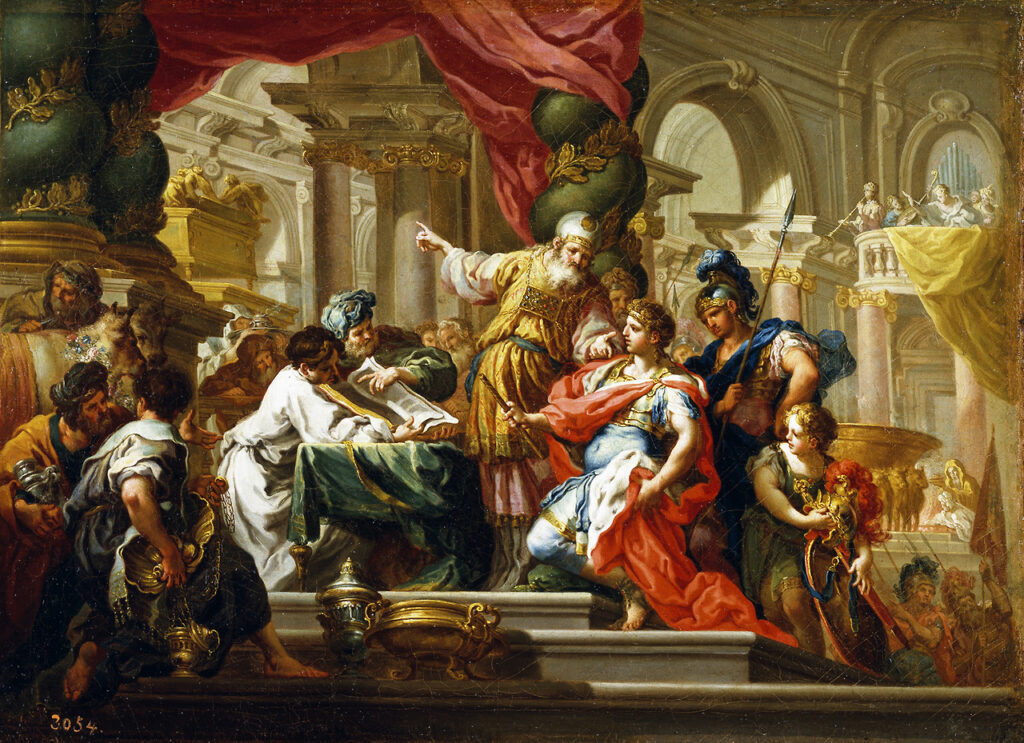
Alexander’s story is not a moral parable. It is a study in uncontained ambition—its power, its magnetism, and its cost.
He was not content to rule well. He needed to surpass history itself.
That need built an empire.
It also ensured it would not survive him.
Takeaway
Alexander the Great is remembered among billions because he expanded the limits of what a single human being could attempt—and forced the world to reckon with the consequences.
References & Further Reading
Primary Ancient Sources
- Arrian, Anabasis of Alexander
- Plutarch, Life of Alexander
Modern Studies
- Cartledge, Paul. Alexander the Great
- Freeman, Philip. Alexander the Great
- Lane Fox, Robin. Alexander the Great
Leave a Reply