
Among the Billions: Winston Churchill
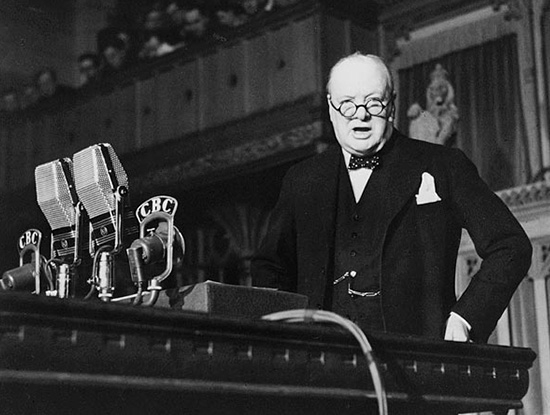
A Man Equal to the Moment
Series Note — Among the Billions
Across billions of human lives, only a few decisively alter the course of events. This series is an appreciation of those rare individuals—people whose actions, character, and conviction mattered at a scale large enough to change history.
Origins and Formation
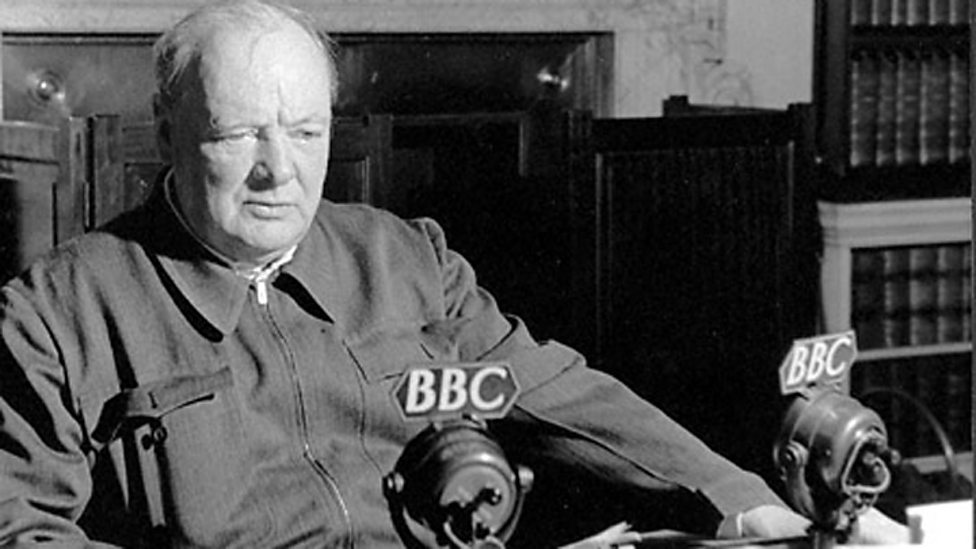
Winston Leonard Spencer Churchill was born in 1874 into British aristocracy, but his path to greatness was anything but assured. He struggled academically, failed entrance exams, and was frequently dismissed as undisciplined and erratic. Teachers doubted him. Political peers underestimated him.
His family life shaped him deeply. His father was distant and exacting; his mother, Jennie Jerome, was American—brilliant, socially magnetic, and ambitious. From her, Churchill inherited not only energy and confidence but a lifelong familiarity with American culture that would later prove historically decisive.
From an early age, Churchill possessed a defining belief: that his life was meant to matter. This conviction sustained him long before evidence justified it.
A Mind Formed by History
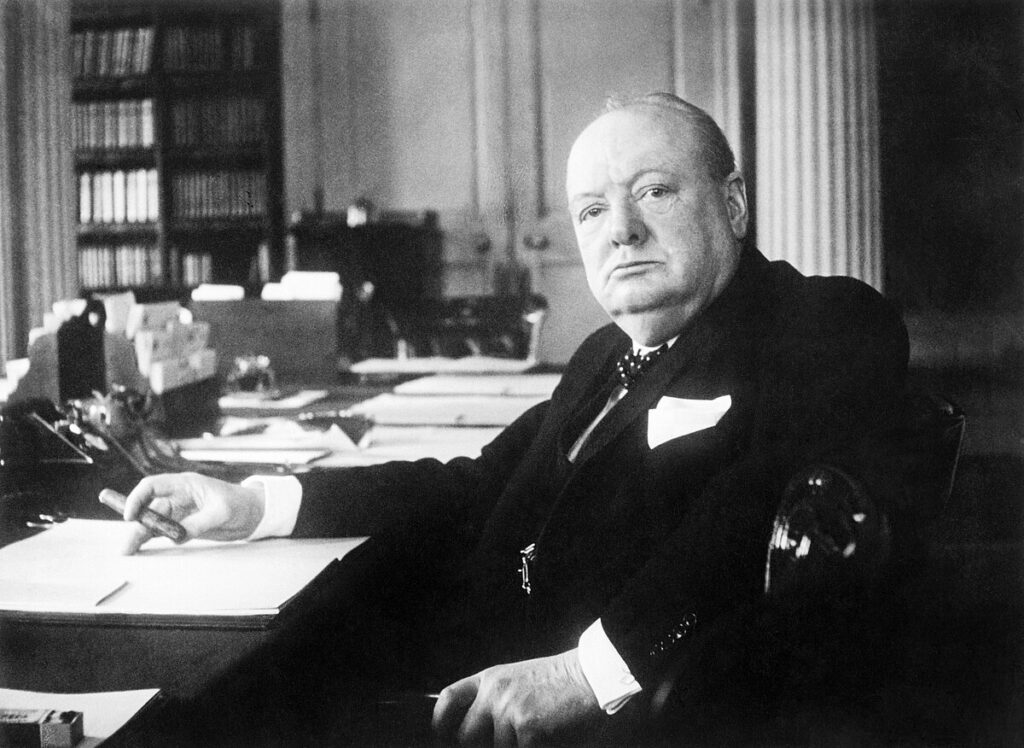
Churchill loved history—not abstractly, but urgently. He read it constantly and wrote it extensively. Long before he became Prime Minister, he was already a serious historian, authoring major multi-volume works, most notably A History of the English-Speaking Peoples.
He believed history was not merely descriptive, but formative. It taught nations how to see themselves and how to act when tested.
“The longer you can look back, the farther you can look forward.”
Churchill understood something most politicians never grasp: history is shaped by narrative as much as by force. He once remarked, with complete self-awareness:
“History will be kind to me, for I intend to write it.”
This was not vanity alone. It was an understanding that memory, meaning, and morale determine how events are endured—and remembered.
Failure, Isolation, and Preparation
Churchill’s early career was turbulent. His involvement in the disastrous Gallipoli campaign during World War I nearly ended him politically. He changed political parties twice. By the 1930s, he was widely regarded as obsolete—too emotional, too imperial, too extreme.
For nearly a decade, he lived in political isolation, warning about the danger of Nazi Germany while others pursued appeasement. These “wilderness years” refined him. He read deeply, wrote relentlessly, painted to manage stress, and sharpened his understanding of war and leadership.
He later summed up perseverance with characteristic clarity:
“If you’re going through hell, keep going.”
Oratory as Power
Churchill’s greatness cannot be separated from his mastery of language. He was not merely a speaker; he was an architect of morale.
When he became Prime Minister in May 1940, Britain faced potential annihilation. His first address to Parliament made no attempt to soften reality:
“I have nothing to offer but blood, toil, tears, and sweat.”
This was leadership without illusion.
A month later, as France collapsed and invasion loomed, Churchill delivered words that defined the national spirit:
“Let us therefore brace ourselves to our duties, and so bear ourselves that, if the British Empire and its Commonwealth last for a thousand years, men will still say, ‘This was their finest hour.’”
He framed greatness not as victory, but as conduct under pressure.
Churchill understood morale as a strategic weapon:
“In war, the moral is to the physical as three is to one.”
His speeches did not promise safety. They demanded courage—and in doing so, they produced it.
Psychological Force and Inner Darkness
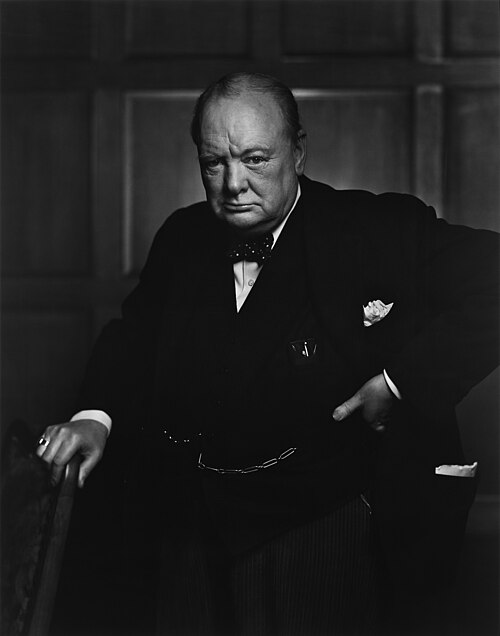
Churchill lived with depression, which he famously called his “black dog.” He feared inactivity during these periods and deliberately structured his life around work, creation, and decision-making.
He was emotionally intense, capable of enormous energy, sudden anger, deep warmth, and crushing despair. Yet he possessed a rare gift: self-awareness. He did not deny his volatility; he harnessed it.
“I am an optimist. It does not seem too much use being anything else.”
Optimism, for Churchill, was not naivety—it was defiance.
Britain, America, and the English-Speaking Peoples
Churchill’s American heritage mattered profoundly. Through his mother, he understood the United States instinctively. He believed Britain and America were historically bound—a shared civilization of law, language, and liberty.
In his own words:
“That common inheritance of law, language, and literature… forms the basis of the English-speaking world.”
This belief shaped his wartime strategy. He cultivated a close relationship with Franklin D. Roosevelt, persuading him—and the American public—that Britain’s cause was America’s cause.
Churchill never doubted that the Atlantic alliance would come. That confidence sustained Britain through its darkest hours.
Controversies and Criticism
Churchill was not morally uncomplicated.
He has been criticized—rightly—for imperial attitudes, early military failures, and decisions that carried enormous human cost. His views reflected both the strengths and blind spots of his era.
Yet these flaws do not negate his greatness. They underscore a central truth: history is not shaped by perfect people, but by capable ones willing to act when others hesitate.
Historical Significance
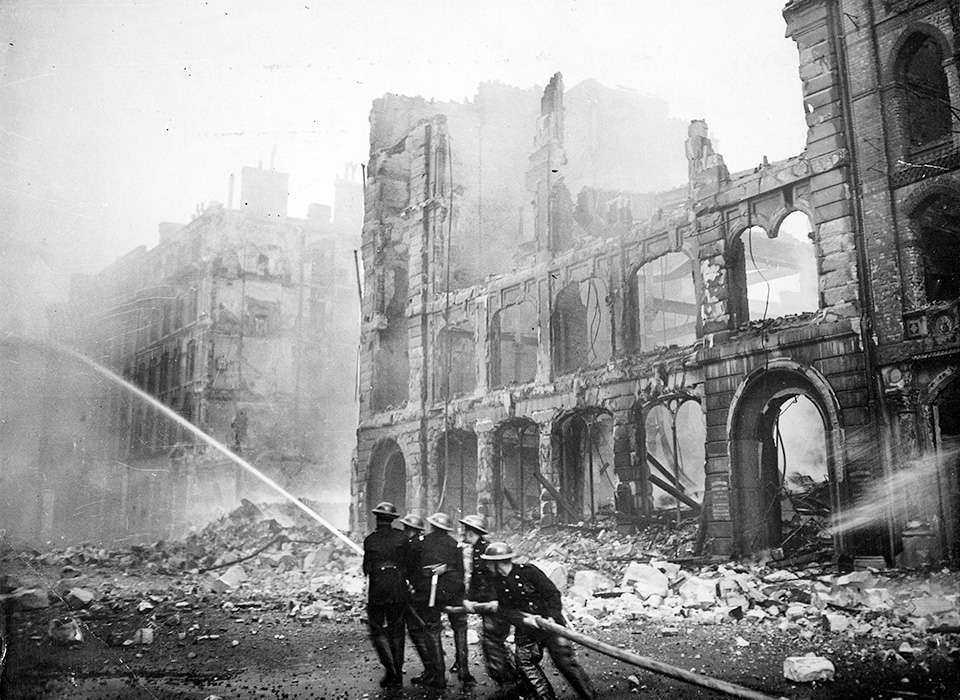
There are moments when history compresses—when outcomes hinge on will as much as resources. Britain in 1940 was such a moment.
Churchill’s greatness lies in this fact: very few human beings could have done what he did, when he did it.
He confronted fear without surrendering to it. He made endurance honorable. He held a civilization together at the point of fracture and convinced a nation to stand when collapse seemed reasonable.
“We shall fight on the beaches… we shall never surrender.”
These words mattered because they drew an unbreakable line—psychological, moral, and historical.
Churchill was not merely a leader of Britain in wartime. He was the leader that moment required.
Takeaway
Among the billions who have lived, Winston Churchill stands apart because his conviction, courage, and command of language altered the trajectory of the twentieth century.
References & Further Reading
Primary Works
- Churchill, Winston. The Second World War
- Churchill, Winston. A History of the English-Speaking Peoples
Biographical Studies
- Gilbert, Martin. Winston S. Churchill: A Life
- Jenkins, Roy. Churchill
- Roberts, Andrew. Churchill: Walking with Destiny
Leave a Reply