
Among the Billions: Charles Spurgeon
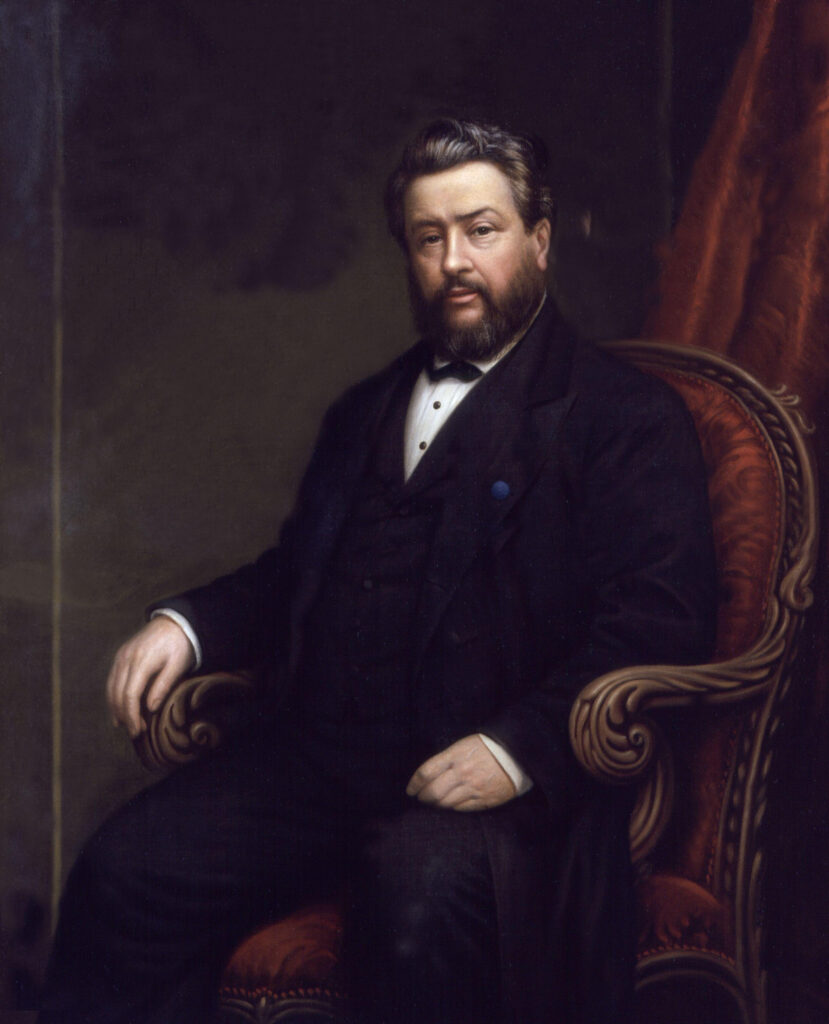
Charles Spurgeon:
Series Note — Among the Billions
Across billions of human lives, a small number of individuals seem to stand out—not because they were flawless, but because of how they lived and what they chose to do with their time. These posts look at those lives as historical case studies.
Where He Came From
Charles Haddon Spurgeon was born in 1834 in Kelvedon, a small village in Essex, England. His early life was unremarkable by historical standards—rural, modest, and shaped by family rather than institutions.
Much of his childhood was spent with his grandparents. His grandfather was a minister, and sermons, Scripture, and religious conversation were part of daily life. Spurgeon later recalled reading heavy theological works at an unusually young age, often alone, more out of curiosity than duty.
He had no formal seminary training. His education was uneven but intense, driven by self-study, reading, and memory. From an early age, he showed an unusual ability to absorb and retain what he read.
“The Boy Preacher”
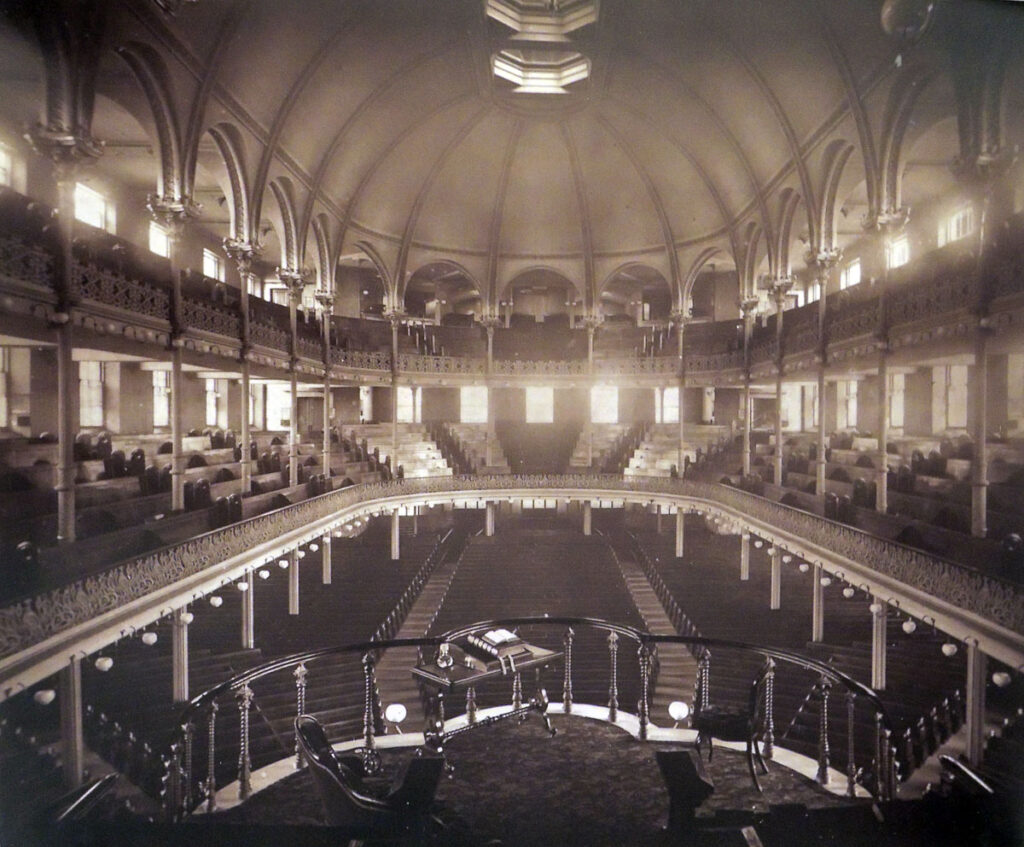
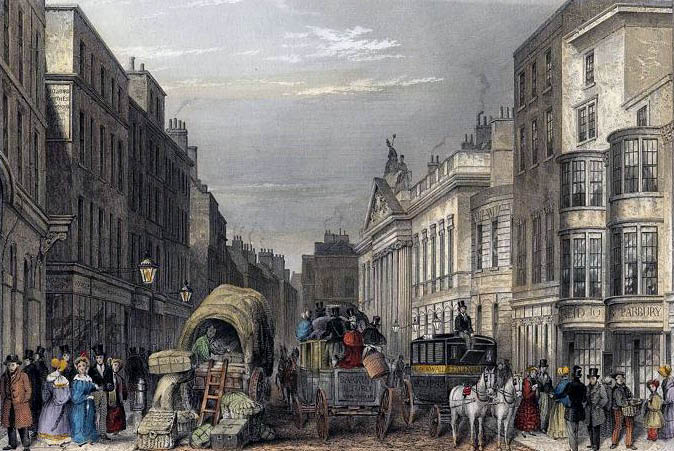
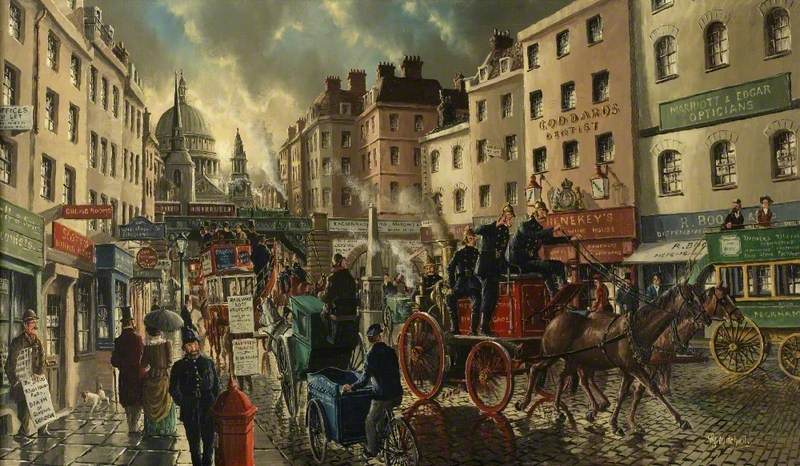
Spurgeon began preaching as a teenager. By nineteen, he was invited to fill a pulpit in London—then the largest city in the world. Attendance grew rapidly, forcing repeated changes of venue as crowds exceeded capacity.
The press quickly labeled him “the Boy Preacher.” The nickname captured both fascination and suspicion. Victorian society was not accustomed to a teenager addressing thousands with authority and confidence.
Some treated him as a novelty. Others doubted his longevity. But the crowds continued to grow.
By 1861, the Metropolitan Tabernacle was completed to house his congregation, seating several thousand people in central London. At an age when many were still finding their footing, Spurgeon had become one of the most visible religious figures in Britain.
Public Fame Beyond the Church
Spurgeon was not only known within Christian circles. His sermons were reported on in mainstream newspapers, debated publicly, and criticized by secular commentators.
To supporters, he represented clarity and conviction in an age of uncertainty. To critics, he was a populist figure—too confident, too influential, and too dismissive of elite theological trends.
He was, in modern terms, a public intellectual and religious celebrity. His name was recognizable well beyond church attendance, and his controversies were followed closely by the press.
Memory, Reading, and Mental Capacity
Although no modern measures of intelligence existed in Spurgeon’s time, contemporaries consistently described him as possessing an exceptional memory and reading capacity.
He assembled a personal library of roughly 12,000 volumes, an extraordinary collection for the 19th century. Friends and associates reported that he read rapidly and retained what he read with unusual accuracy.
One contemporary wrote that Spurgeon read “by sentences as others read by words.” Historian W. Y. Fullerton later described him as having a “remarkable verbal memory,” enabling him to preach largely from brief outlines while quoting Scripture, theology, and literature freely.
Claims of “photographic memory” should be understood descriptively, not technically. What is clear is that Spurgeon’s mental capacity supported a sustained output that few of his contemporaries could match.
Physical Illness and Depression
Behind public success, Spurgeon lived with persistent physical suffering. He experienced chronic gout, nerve pain, and exhaustion that often forced him to cancel engagements or leave London for extended periods of rest.
He also suffered from recurring depression, which he discussed openly. These episodes were not brief or occasional; they were recurring features of his adult life.
One of the most traumatic events of his career occurred early in his London ministry. During a crowded service, a false cry of fire caused a panic in which several people died. Although he was not blamed officially, the event haunted him for the rest of his life and contributed to prolonged periods of emotional distress.
Writing, Output, and Discipline
Spurgeon preached an estimated 3,500–3,600 sermons, many of which were published weekly and distributed internationally. His sermons circulated throughout Britain, the United States, and beyond, translated into multiple languages.
In addition to sermons, he wrote books, edited periodicals, founded a pastors’ college, and oversaw charitable institutions, including an orphanage. His collected works filled dozens of volumes.
The scale of this output was unusual even by Victorian standards and depended on relentless discipline rather than ease.
Controversies and Criticism
The Downgrade Controversy
Late in his life, Spurgeon became embroiled in what became known as the Downgrade Controversy. He publicly accused segments of the Baptist Union of drifting away from orthodox Christian doctrine, particularly regarding biblical authority.
His language was direct and uncompromising. Critics accused him of fostering division, resisting theological development, and oversimplifying complex debates. The conflict ended with Spurgeon withdrawing from the Baptist Union, isolating him institutionally during his final years.
Accusations of Populism
Despite his intellect, Spurgeon was often dismissed by elites as a populist preacher who appealed to emotion rather than reason. Secular critics in particular viewed his popularity as evidence of mass taste rather than substance.
These critiques persisted even as his published work continued to circulate among educated readers.
Public Tragedy
The crowd disaster early in his ministry remained part of his public narrative. Though unavoidable, it raised questions about mass gatherings and religious celebrity that followed him throughout his career.
Influence on American Christianity
Spurgeon never ministered in the United States, yet his influence there was significant. American pastors regularly reprinted his sermons, modeled their preaching style after his structure, and used his writings for instruction.
His book Lectures to My Students became a staple in American pastoral training, particularly among Baptist and evangelical ministers without formal seminary education.
By the early 20th century, Spurgeon was quoted in American pulpits as readily as domestic theologians, despite his British context.
Historical Significance
Spurgeon stands out historically not because he avoided conflict or suffering, but because he worked through them.
His influence crossed national boundaries, survived institutional rupture, and endured long after his death in 1892. His legacy rests on repetition and durability rather than novelty.
Takeaway
Spurgeon is remembered among billions because his words outlived his circumstances—and because he carried an extraordinary workload under extraordinary weight.
References & Further Reading
Primary Works
- Spurgeon, C. H. Lectures to My Students
- Spurgeon, C. H. The Metropolitan Tabernacle Pulpit
Biographical Studies
- Fullerton, W. Y. C. H. Spurgeon: A Biography
- Murray, Iain H. The Forgotten Spurgeon
- Christian History Institute, biographical essays on Spurgeon
Leave a Reply