
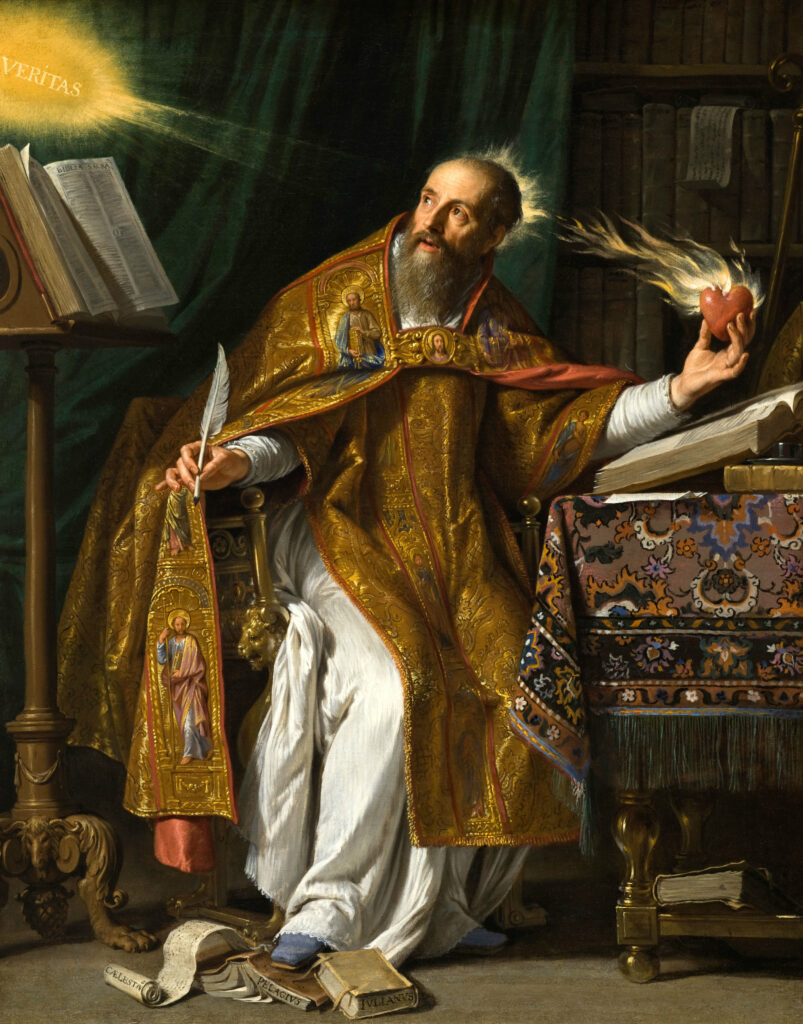
Among The Billions: Augustine of Hippo
Among the Billions is a series that looks at a simple historical curiosity:
across billions of human lives, a small number of individuals seem to stand out—not because they were flawless, but because of how they lived and what they chose to do with their time.
These posts examine those lives as they were: shaped by context, marked by flaws, and often surrounded by controversy. The aim isn’t admiration or imitation, but understanding—why certain people left a lasting trace, and what their lives reveal about patterns that repeat across history.
Augustine of Hippo (354–430) became one of the most influential thinkers in Western history, but his theology emerged from a life marked by ambition, moral failure, intellectual pride, and prolonged resistance to belief.
Where He Came From
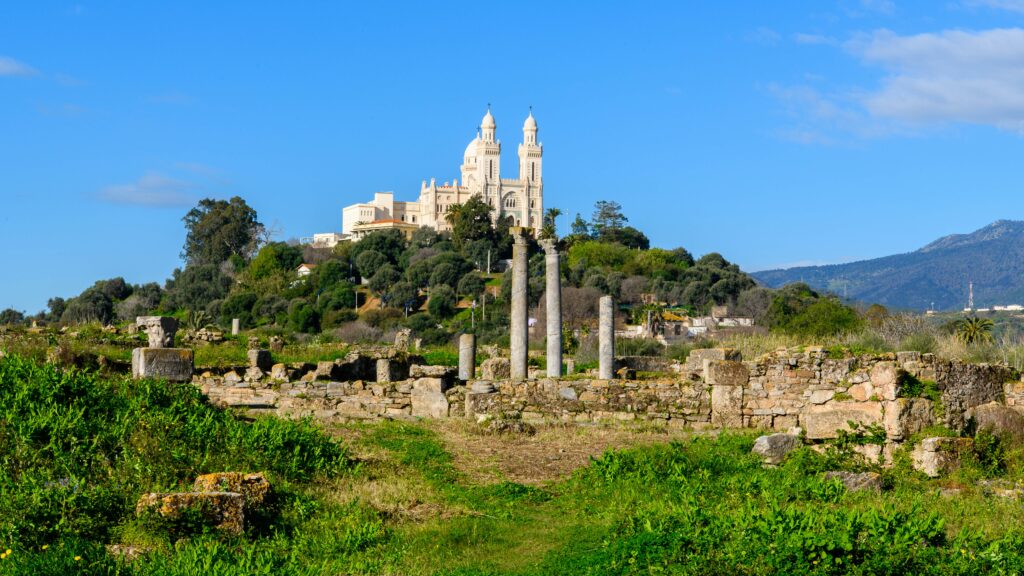
Augustine was born in Thagaste, a modest provincial town in Roman North Africa. His family was divided in faith: his mother, Monica, was a devout Christian; his father, Patricius, was not.
From an early age, Augustine was driven by advancement. He excelled in rhetoric—the elite skill of persuasion in the Roman world—and pursued education as a path out of obscurity. He later admitted that his ambition often outweighed his integrity.
One of the most famous episodes from his youth appears in Confessions, where he recounts stealing pears from a neighbor’s tree—not out of hunger, but for the thrill of transgression. Augustine presents the story as trivial on the surface, but deeply revealing of his moral psychology.
Ambition, Relationships, and Delay
For nearly fifteen years, Augustine lived with a woman whose name is unknown to history. They had a son together, Adeodatus. Augustine never married her, largely because he hoped to secure a socially advantageous marriage that would improve his career prospects.
When he eventually decided to pursue Christianity, he sent her away—an act he later described with regret and emotional restraint rather than sentimentality.
Augustine also resisted conversion intellectually. Though increasingly convinced of Christian truth, he delayed commitment, famously praying:
“Grant me chastity and continence—but not yet.”
This hesitation became emblematic of his internal conflict: convinced in mind, unwilling in will.
Conversion as a Breaking Point
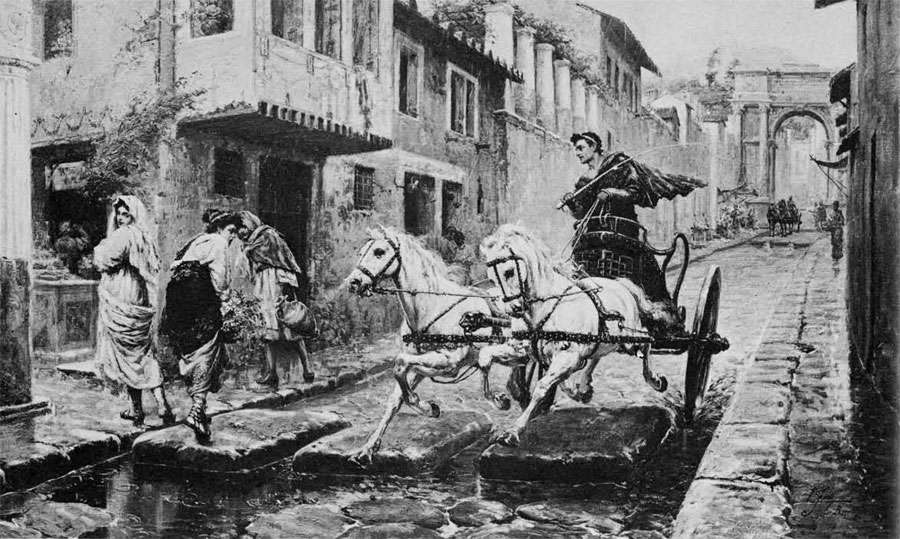
Augustine’s conversion did not occur gradually, but during a psychological crisis in Milan. Overwhelmed by indecision, he retreated into a garden, where he heard a child’s voice repeating “take and read.”
He opened a copy of Paul’s letters and read a passage urging moral resolve. Augustine interpreted the moment as decisive, marking the collapse of his resistance rather than a sudden intellectual discovery.
Soon after, he abandoned his academic career and returned to North Africa, where he was unexpectedly pressed into ministry by a congregation who recognized his abilities.
Leadership, Temperament, and Limits
As Bishop of Hippo, Augustine was tireless but not always gentle. He preached frequently, handled disputes, wrote obsessively, and engaged in public debates. His letters reveal impatience, frustration, and at times a sharp tone toward opponents.
He admitted that pastoral life exhausted him and that administration distracted him from contemplation. His authority grew, but so did his responsibilities, often against his personal preference.
Augustine also acknowledged that his views developed through argument rather than certainty. He revised positions publicly and corrected earlier writings—an unusual practice in antiquity.
Controversies and Moral Tensions
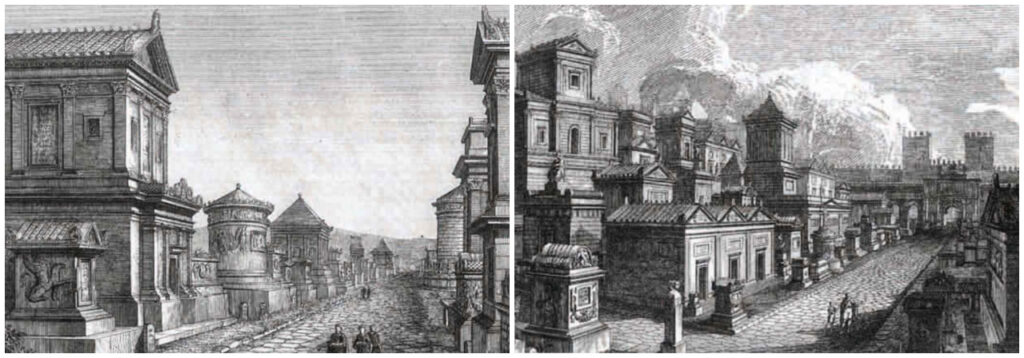
Augustine’s sharpest conflicts often exposed his own limits.
In opposing Pelagius, Augustine argued aggressively for the necessity of divine grace, sometimes portraying opponents in harsh terms. Later critics have argued that his framing narrowed the moral imagination of Western Christianity.
His endorsement of limited state coercion against dissident groups, particularly the Donatists, remains one of the most criticized aspects of his career. Augustine justified the policy as corrective, yet modern readers struggle with its implications.
His views on sexuality—shaped by personal struggle—have been accused of contributing to long-lasting discomfort with the body in Christian thought.
A Life Remembered for Its Honesty
Augustine did not present himself as exemplary. Confessions is striking precisely because it records vanity, lust, pride, delay, and self-deception without narrative polish.
What distinguishes Augustine is not moral perfection, but psychological transparency. He treated his own failures as material for understanding the human condition.
Takeaway
Augustine endures not because he hid his flaws, but because he analyzed them with unusual clarity—and built ideas that outlived him.
References & Further Reading
Primary Works
- Augustine. Confessions
- Augustine. The City of God
- Augustine. On the Trinity
Biographical Studies
- Brown, Peter. Augustine of Hippo: A Biography
- O’Donnell, James J. Augustine: A New Biography
Leave a Reply