
Pinot Noir: A Study in Elegance and Place
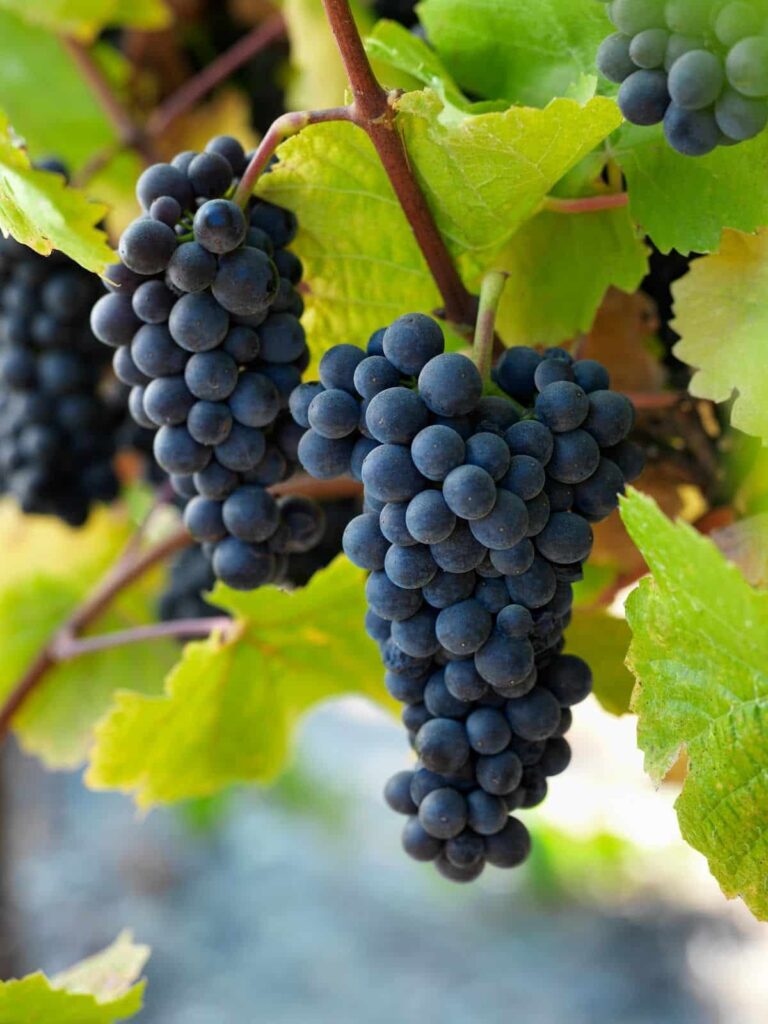
Pinot Noir is one of the most talked-about grapes in Sonoma County, and also one of the hardest to explain well. Guests often know it as “light” or “smooth,” or they compare it immediately to Cabernet Sauvignon. Yet Pinot Noir lives in a different category altogether. It rewards attention, but it does not announce itself loudly. This essay is part of my own effort to better understand Pinot Noir—where it comes from, why it behaves the way it does, and how to speak about it clearly without overcomplicating it.
Pinot Noir originates in Burgundy, where it has been grown for well over a thousand years. Few grapes are as tightly linked to place. In Burgundy, Pinot Noir became the vehicle through which growers learned to observe subtle differences in soil, slope, and exposure. Over time, it earned a reputation for producing wines of nuance rather than power, and for being highly sensitive to its environment. Pinot Noir does not mask its surroundings—it reveals them.
Part of what makes Pinot Noir so distinctive is its fragility. The grape has thin skins, tight clusters, and a strong sensitivity to climate. It ripens early and can lose balance quickly if conditions are too warm. These traits make it challenging to grow, but they also explain why Pinot Noir can be so expressive when grown in the right place. When conditions align, the wines carry aromatic clarity, vibrant acidity, and a texture that feels more like silk than weight.
As Pinot Noir spread beyond France, growers quickly learned that it did not behave like more forgiving varieties. Warm climates often pushed the grape toward heaviness, while cooler regions allowed it to retain freshness and detail. This is why Pinot Noir found a natural home in coastal areas and cooler zones around the world. Rather than dominating new regions, it adapted selectively, thriving only where climate and restraint worked together.
In Sonoma County, Pinot Noir excels because of the region’s cooling influences and diversity of sites. Coastal fog, morning chill, and long growing seasons allow the grape to ripen slowly while preserving acidity. Pinot Noir from Sonoma often shows red fruit, subtle earth, and an energy that keeps the wine lifted rather than heavy. As with Chardonnay, site matters deeply—coastal vineyards tend to emphasize freshness and tension, while slightly warmer areas can bring more depth and roundness without sacrificing balance.
When guests ask about Pinot Noir, I usually frame it in terms of feel rather than flavor. I describe it as a wine that prioritizes elegance over power, one that sits lighter on the palate but remains deeply expressive. In Sonoma, Pinot Noir often strikes a middle ground—bright enough to feel alive, yet layered enough to feel complete. That explanation tends to reset expectations and invite curiosity rather than comparison.
I am still learning how to talk about Pinot Noir without relying on contrast alone—without always defining it by what it is not. I continue to notice how differently it behaves from site to site, and how small changes in climate or farming choices can shift the wine dramatically. Pinot Noir resists simplification, and that resistance is part of its appeal.
Studying Pinot Noir is ultimately an exercise in attention. It teaches patience, observation, and humility. The grape does not reward forceful intervention, and it does not offer easy conclusions. Instead, it offers insight into place, season, and intention. That is why Pinot Noir continues to matter, and why it remains one of the most revealing expressions of Sonoma wine country.
Leave a Reply