
What Chardonnay Teaches About Wine
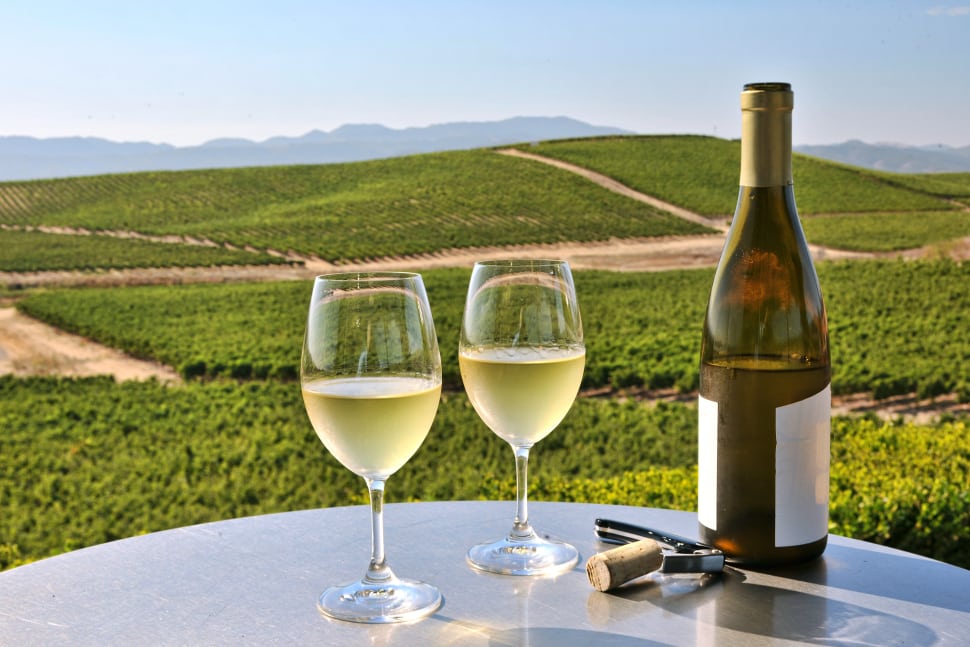
Chardonnay is one of the most familiar grapes in wine, especially in Sonoma County, and also one of the most polarizing. Guests often say they either love Chardonnay or hate it, usually without realizing how wide the spectrum of styles actually is. That tension is part of what makes the grape worth studying. This essay is part of my own effort to slow down, understand Chardonnay more clearly, and become better at explaining it in a way that feels grounded rather than rehearsed.
Chardonnay originates in Burgundy, specifically from a small village in the Mâconnais that shares the grape’s name. For centuries it was cultivated by monks who focused less on innovation and more on observation—watching how vines responded to soil, climate, and time. Chardonnay did not rise to prominence because it was dramatic or immediately expressive. It became important because it worked. It grew reliably, reflected its environment clearly, and produced wines that could range from simple to profound depending on where and how it was grown.
Genetically, Chardonnay is a cross between Pinot Noir and Gouais Blanc. Pinot Noir contributes finesse and aromatic potential, while Gouais Blanc—once considered a more rustic, working-class grape—adds vigor and adaptability. That pairing helps explain why Chardonnay performs so well across such a wide range of climates. It is not overpowering by nature, which allows soil, temperature, and winemaking choices to shape the final wine more clearly than the grape itself.
As wine production expanded beyond Europe, Chardonnay followed. Its relatively neutral profile made it appealing to winemakers, particularly in emerging wine regions. The grape could ferment cleanly in stainless steel, take on oak comfortably, or live somewhere in between. Rather than expressing a single fixed identity, Chardonnay became a canvas—capable of reflecting both place and philosophy. Over time, it established itself as the world’s most widely planted white grape, not because it demanded attention, but because it adapted.
In Sonoma County, Chardonnay thrives because of the region’s diversity. Cool mornings, coastal fog, and varied soils allow for a wide range of expressions. Vineyards closer to the coast often produce wines with higher acidity and a fresher profile, while warmer inland sites tend to bring more texture and richness. What stands out in Sonoma is balance. Many Chardonnays here manage to feel both fresh and complete, which makes them especially versatile at the table and approachable for a wide range of palates.
When guests ask about Chardonnay, I try to keep the explanation simple and honest. I usually describe it as a very transparent grape—one that becomes crisp and bright in cooler areas, rounder and richer in warmer ones. In Sonoma, that transparency often results in wines that carry bright acidity alongside enough texture to feel satisfying with food. That framing tends to open the conversation without overwhelming anyone or pushing them toward a preconceived style.
I am still refining how I think about oak influence, malolactic fermentation, and where personal preference intersects with intention and tradition. Chardonnay continues to change depending on who is making it and where it is grown, and that variability is part of what keeps it compelling. Studying Chardonnay is not just about understanding one grape. It is about seeing how wine reflects place, history, and human decision-making over time. That is why it continues to matter, and why it remains such a central part of Sonoma wine country.
Leave a Reply