
Brand Study: Patagonia
A strategy-focused analysis, with personal context and practical takeaways
Origin Overview: How Patagonia Started
Patagonia began not as an apparel brand, but as a tool-making operation for a niche athletic community. The company’s roots trace back to Yvon Chouinard, a climber who initially made reusable steel pitons for rock climbing. These tools were designed to be durable, functional, and better for the rock than disposable alternatives commonly used at the time.
As climbing culture evolved and environmental damage from traditional pitons became more apparent, Chouinard and his team made a consequential decision: they stopped selling pitons that harmed rock faces and shifted toward alternative gear. This choice came at a financial cost in the short term but reinforced a long-term principle that would later underpin the brand.
Brand Overview

Patagonia operates in the outdoor apparel category but occupies a position that extends beyond technical performance. The brand is widely associated with durability, environmental responsibility, and a restrained approach to consumption. From a strategic standpoint, Patagonia is notable because its identity is tightly integrated into how it designs products, communicates with customers, and structures its growth.
The brand functions as both a clothing company and a values-based organization, and the two are difficult to separate.
Market Context

The outdoor apparel market is crowded and highly competitive, with many brands emphasizing innovation, performance metrics, or visual novelty. At the same time, consumers in this category often hold strong beliefs about sustainability, ethics, and environmental impact.
Patagonia operates within this environment by treating those beliefs not as secondary marketing themes, but as central operating principles. This approach differentiates the brand in a market where functional quality is expected and increasingly commoditized.
Core Value Proposition

Patagonia’s value proposition centers on durability, longevity, and responsibility. The brand positions its products as tools meant to be used hard and kept for a long time, rather than replaced frequently.
This proposition has two dimensions:
- Functional: products are designed to last and perform consistently
- Philosophical: reduced consumption is presented as a positive outcome
Rather than promising perfection, Patagonia emphasizes transparency and intention, which helps maintain credibility even when trade-offs exist.
Product Strategy
Patagonia’s product strategy prioritizes durability and repairability over rapid iteration. Designs are conservative and intentionally resistant to trend cycles, which allows products to remain relevant across multiple seasons.
Programs that support repair and reuse reinforce this strategy by extending product life and strengthening customer trust. From a business perspective, this approach trades short-term volume for long-term loyalty.
Marketing and Growth Strategy

Marketing at Patagonia functions primarily as education and alignment rather than persuasion. Content often focuses on environmental issues, activism, and community involvement rather than product features alone.
Growth is supported through:
- Mission-driven storytelling
- Community engagement
- Retail environments that reinforce brand values
- Services that extend product life
This creates a customer base that is less price-sensitive and more values-aligned.
Message Based Marketing
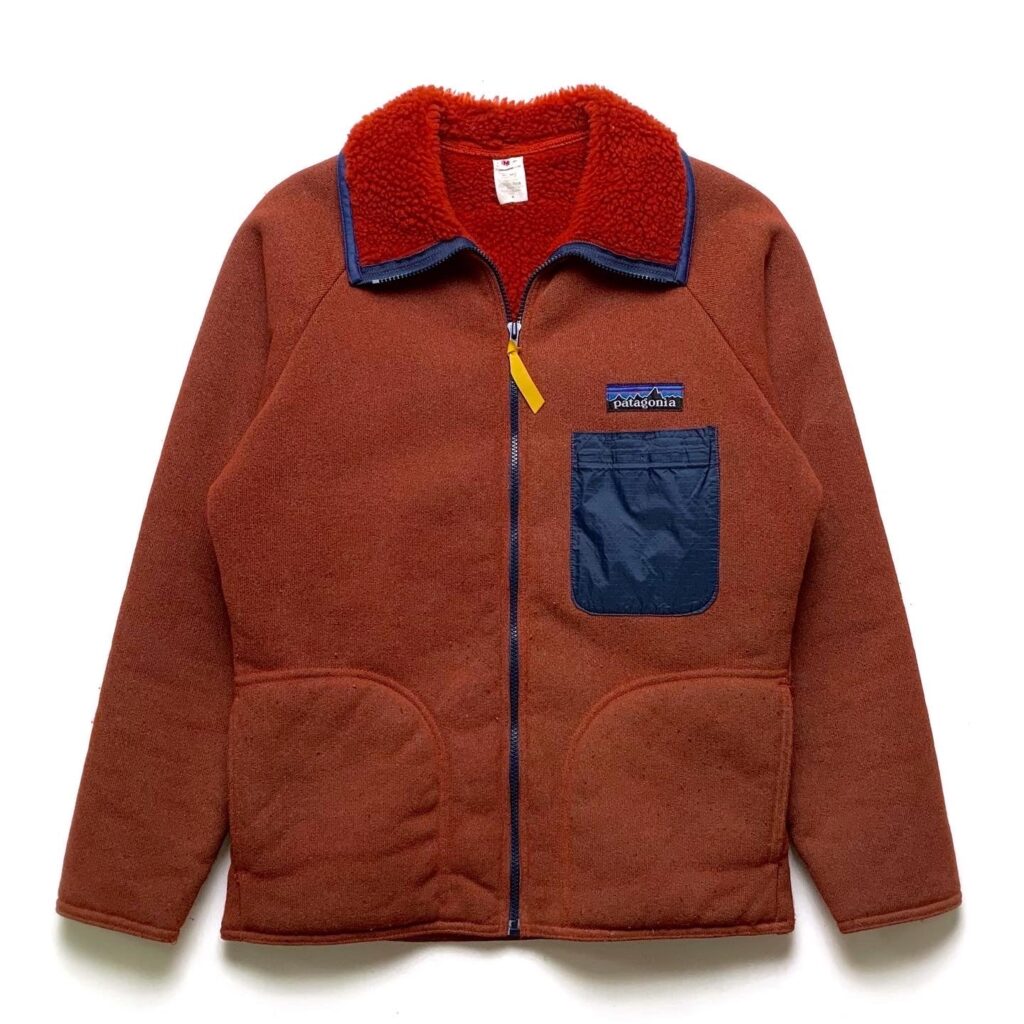
One of Patagonia’s most distinctive retail and marketing strategies is its integration of repair and reuse directly into the customer experience. Programs like Worn Wear operate both as a service and as a brand signal.
From a marketing perspective, repair functions as:
- Proof of product durability
- Reinforcement of trust and long-term value
- A visible rejection of fast-fashion logic
By offering in-store repairs and resale of used garments, Patagonia turns what would normally be a cost center into a credibility engine. These programs reduce short-term sales volume but strengthen long-term brand loyalty and differentiation.
Takeaways for Small Businesses
This section translates Patagonia’s strategy into lessons that apply at a smaller scale.
Start with a real belief. Patagonia’s brand works because its principles influence actual decisions. Small businesses benefit when values shape operations, not just messaging.
Let quality signal status. Patagonia demonstrates that restraint and durability can communicate sophistication without relying on trends or logos.
Educate your customer. Explaining trade-offs, process, or philosophy can build trust more effectively than promotion.
Accept that clarity narrows the audience. Patagonia does not aim for universal appeal. Small brands often benefit from the same discipline.
Conclusion
Patagonia shows that a brand can achieve broad cultural relevance without broad appeal. Its success comes from consistency, restraint, and the integration of values into every layer of the business.
For small businesses, the lesson is not to replicate Patagonia’s mission, but to adopt its discipline: define what you stand for, apply it consistently, and allow the brand to grow within those boundaries.
Leave a Reply