
Health Revolution: How generation trends affect Wine
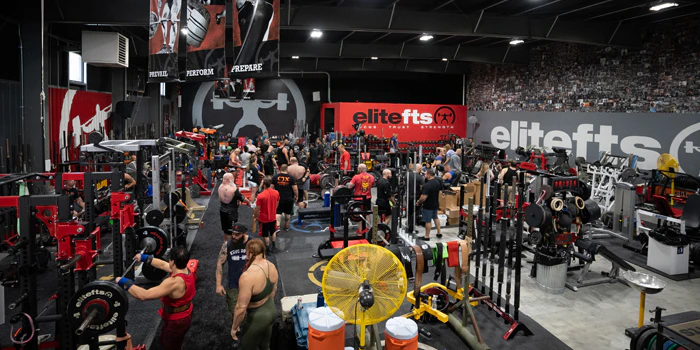
Over the past twenty years, American culture hasn’t just gotten fitter—it has gotten obsessed.
Fitness, health, discipline, and mental resilience have moved from the margins to the center of everyday life. This shift didn’t happen quietly, and it didn’t happen accidentally. It was accelerated by technology, media, and a new generation of voices that reframed physical and mental toughness as moral virtues.
At the same time, alcohol—once the unquestioned centerpiece of social life—has slowly lost its cultural dominance, particularly among Millennials and Gen Z.
What’s emerged is not a clean replacement, but a tension.
Social Media Built the Gym Generation
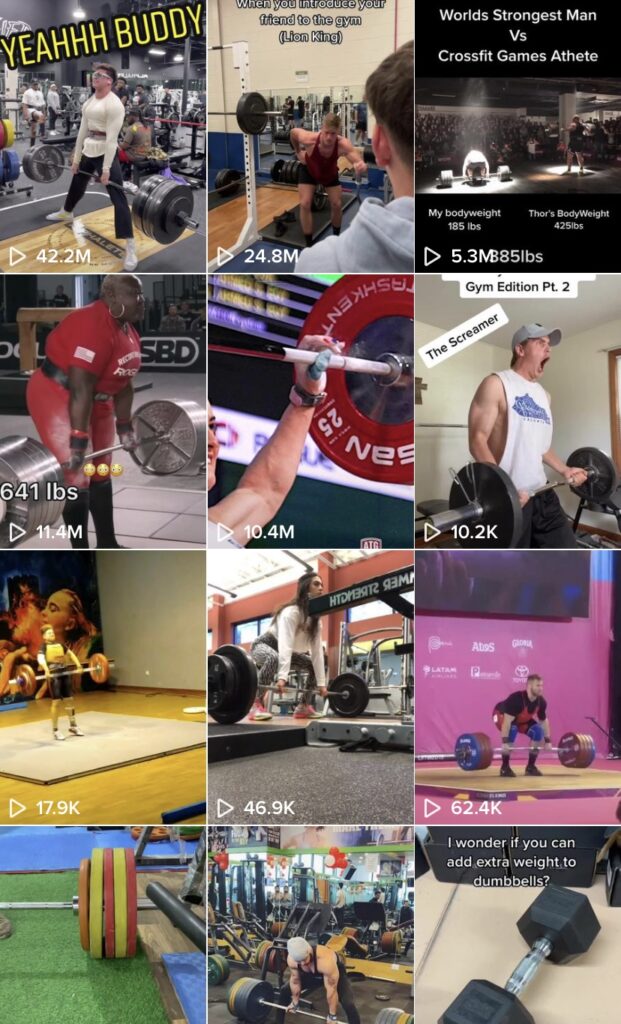
Platforms like TikTok and Instagram didn’t just document fitness culture—they manufactured momentum for it.
The gym became:
- visible
- aesthetic
- competitive
- aspirational
Training sessions turned into content. Discipline became shareable. Bodies became proof of consistency. Algorithms rewarded effort, repetition, and visible progress.
Fitness stopped being private and became performative—but in a way that normalized showing up. When millions of people see workouts daily, the barrier to entry disappears. Going to the gym starts to feel less like an exception and more like a baseline expectation.
Podcasts and the “Work Harder” Ethos
Long-form podcasts amplified this shift even further.
Figures like Joe Rogan, Jocko Willink, and David Goggins helped create a cultural narrative centered on:
- personal responsibility
- discipline
- suffering as transformation
- mental toughness as identity
This wasn’t fitness as vanity. It was fitness as character formation.
The message—sometimes subtle, sometimes blunt—was clear:
You are responsible for your body, your mind, and your output.
For a generation raised amid economic uncertainty, institutional distrust, and information overload, that message landed hard.
Health Became a Value System
As fitness culture rose, alcohol quietly fell out of favor—not universally, but meaningfully.
For many younger adults:
- drinking conflicts with training
- alcohol disrupts sleep and recovery
- hangovers feel incompatible with productivity
- mental health awareness reframes excess as self-harm
Alcohol didn’t just lose popularity. It lost moral neutrality.
Where drinking was once a default social activity, it now requires justification—especially in circles centered on performance, clarity, and long-term health.
Standing Between Two Worlds
I find myself standing directly between these cultural currents.
Raised by a Gen X parent, I understand—and don’t dismiss—the role alcohol has played in social bonding, celebration, and shared experience. There is something real about the communal nature of drinking, and something human about how it lowers defenses.
At the same time, as a member of Gen Z, I am deeply health-conscious. I prioritize fitness, mental clarity, and long-term well-being. If given a choice, I would largely avoid alcohol altogether.
But the choice isn’t always clean.
Working in the wine industry means alcohol isn’t optional—it’s professional. Tasting is part of the job. Drinking is normalized. Old-school social expectations still quietly demand participation. Often, it feels less like wanting to drink and more like being required to drink.
That tension is real—and increasingly common.
Why Non-Alcoholic Drinks Exist
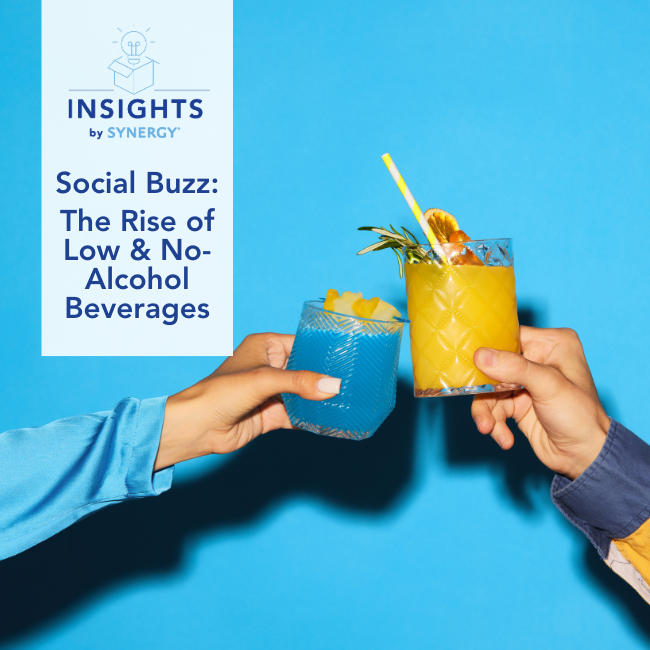
This is where the non-alcoholic beverage movement actually comes from.
It’s not just about health.
It’s about social navigation.
People want an option that:
- looks like participation
- avoids explanation
- preserves belonging
- doesn’t compromise personal values
Humans are social creatures. We imitate rituals. We fear standing out. Non-alcoholic alternatives allow people to remain inside the social script—without paying the physical or psychological cost.
The rise of NA beer, wine, and spirits isn’t a fad. It’s a cultural workaround.
Why Wine Is Losing Cultural Ground
At work, I’m often asked why wine feels less popular than it once did.
I have my own answer—and it’s not flattering to the industry.
Cynically, I don’t believe alcohol—wine included—will ever return to its previous cultural dominance in America. There is simply too much information now:
- on health impacts
- on mental health consequences
- on addiction and family damage
- on long-term cognitive effects
That information is widely available, widely discussed, and no longer ignorable.
Expecting growth—let alone celebrating it—feels increasingly out of step with the cultural moment.
Where Wine and Alcohol Can Still Go
Despite the cultural shift, I don’t believe wine—or alcohol more broadly—is disappearing.
What is disappearing is excess as default.
There is still something deeply human, even timeless, about certain drinking moments:
- a beer on a lake, late afternoon, sun low
- a glass of wine with dinner, shared and unhurried
- a toast at a wedding, a celebration, a reunion
These moments aren’t about numbness. They’re about ritual, place, and connection.
When alcohol is controlled—one or two drinks, intentionally chosen—the health costs are relatively low, especially when compared to the damage caused by habitual excess. In moderation, alcohol can still exist as a supporting character, not the main event.
That distinction matters.
The Real Future: Lower Alcohol, Higher Awareness
Where I’m optimistic is in how the industry is already adapting—whether consciously or not.
Low-alcohol wines, session beers, lighter cocktails, and hybrid wellness drinks are not fringe products anymore. They’re signals of where demand is heading:
- flavor without fog
- ritual without regret
- social participation without self-betrayal
The rise of low-ABV and no-ABV options isn’t anti-wine or anti-alcohol. It’s pro-agency.
People want control. They want to choose when and how much without feeling like they’re opting out of the experience entirely.
And that trend isn’t going away.
As Gen Z grows into the majority consumer of American buying power, health consciousness will not soften—it will intensify. The expectation will be:
- transparency
- optionality
- moderation baked into design
Brands that understand this won’t fight the culture—they’ll evolve with it.
Leave a Reply