
Sonoma Valley: Why This Place Makes Great Wine
Introduction
Sonoma Valley occupies a unique position in California wine. Often overshadowed by its neighbors, it is one of the state’s oldest and most diverse winegrowing regions—defined not by a single grape or style, but by balance. Geography, soil diversity, and climate converge here in a way that allows both power and restraint to coexist.
Understanding what makes Sonoma Valley AVA special helps explain not only why the wines are compelling, but why the region has endured and adapted over time.
Geography & Setting
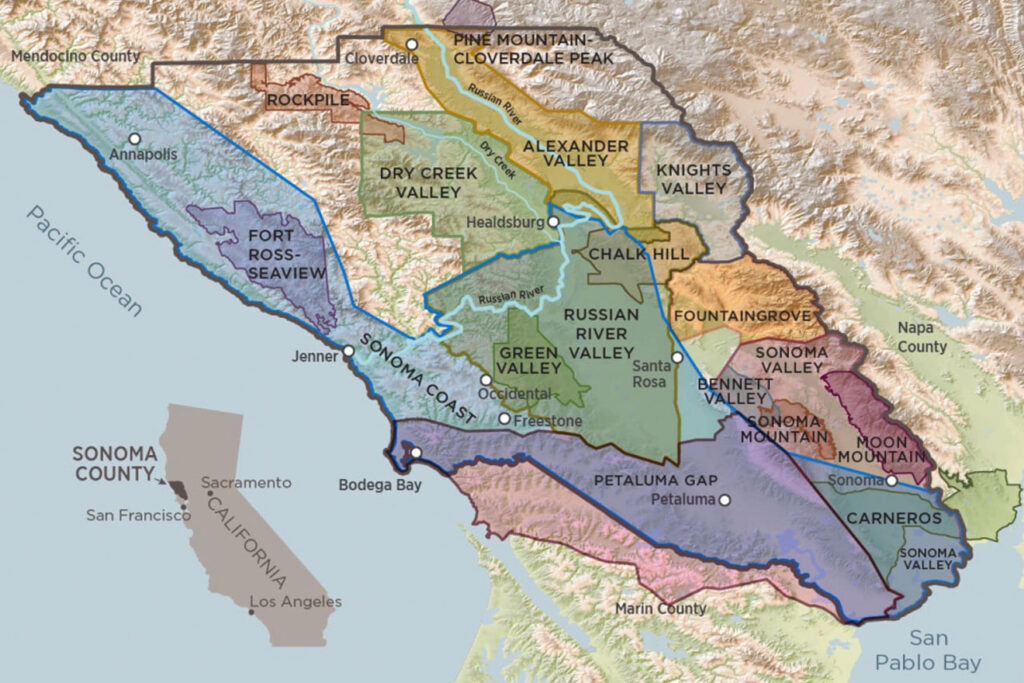
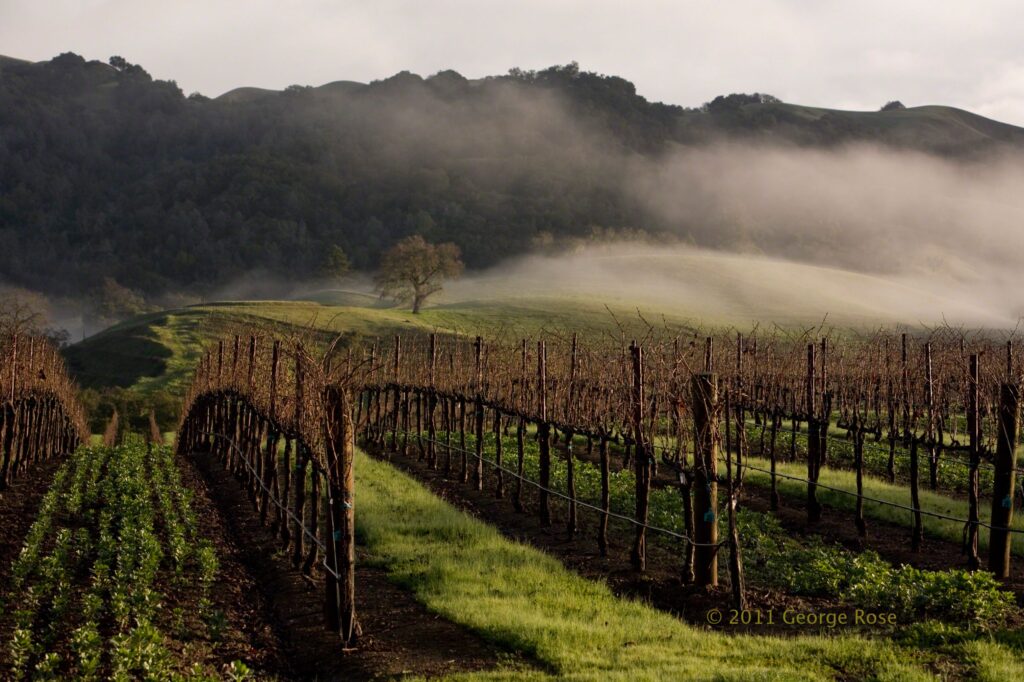
Sonoma Valley runs north–south between the Mayacamas Mountains to the east and the Sonoma Mountains to the west. This positioning creates a natural corridor that funnels cool air and fog inland from San Pablo Bay while still allowing ample sunshine during the growing season.
Unlike flatter regions, Sonoma Valley benefits from:
- Rolling hills and benchlands
- Variable elevations
- Multiple exposures and slopes
These geographic nuances create microclimates—small climatic differences that allow growers to match grape varieties to very specific sites.
Climate: Cool Influence, Warm Potential
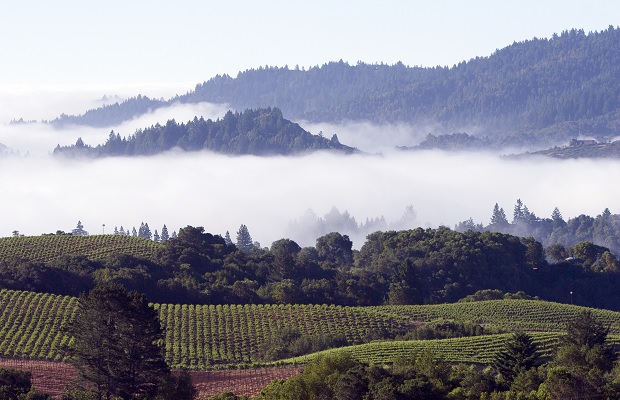
Sonoma Valley is best described as moderate Mediterranean, shaped heavily by maritime influence.
Key Climate Characteristics
- Morning fog from San Pablo Bay cools vineyards early in the day
- Warm afternoons allow grapes to reach full ripeness
- Cool evenings slow sugar accumulation and preserve acidity
This daily temperature swing—often referred to as diurnal shift—is one of Sonoma Valley’s greatest strengths. It allows grapes to develop flavor and phenolic ripeness without losing freshness or structure.
As a result, Sonoma Valley wines often show:
- Ripe fruit without heaviness
- Natural acidity and balance
- Alcohol levels that feel integrated rather than dominant
This climate is particularly well-suited to varieties that benefit from both warmth and restraint, such as Chardonnay, Pinot Noir, Cabernet Sauvignon, and Rhône varieties.
Soils: Diversity Over Uniformity
There is no single “Sonoma Valley soil.” Instead, the region is defined by soil diversity, which contributes significantly to the range of wine styles produced here.
Common Soil Types Found in Sonoma Valley
- Alluvial soils
Found on valley floors and benches; well-draining and fertile, supporting healthy vine growth and generous fruit expression. - Volcanic soils
Especially prevalent near the Mayacamas range; these soils tend to be rocky and low in nutrients, naturally limiting vine vigor and producing more concentrated wines. - Clay and clay-loam soils
Retain moisture and support even ripening, often contributing to plush textures and depth. - Sandy and gravelly soils
Excellent drainage encourages deep root systems and vine balance, often resulting in aromatic intensity and refined structure.
This soil variation allows producers to tailor grape selection and farming practices to site-specific conditions rather than forcing uniformity.
What Grows Well Here (and Why)
Sonoma Valley’s combination of climate and soil allows for a broad range of successful plantings.
- Chardonnay
Thrives in cooler pockets and fog-influenced areas, producing wines that balance richness with freshness. - Pinot Noir
Benefits from cooler mornings and moderated heat, allowing for expressive fruit and layered complexity. - Cabernet Sauvignon
Performs well in warmer, well-drained hillside sites, developing structure and depth without excessive weight. - Rhône varieties (Syrah, Grenache, Mourvèdre)
Adapt well to Sonoma Valley’s warmth and soil diversity, producing savory, expressive wines with balance.
This versatility is one of Sonoma Valley’s defining traits—it is not locked into a single identity.
Why Sonoma Valley Matters
What makes Sonoma Valley great for wine is not extremity, but equilibrium. The region consistently produces wines that feel complete—shaped by climate moderation, soil diversity, and thoughtful site selection.
Sonoma Valley rewards patience, nuance, and attention to place. It is a region where winemaking decisions matter, because the raw materials are balanced rather than exaggerated.
For those willing to look closely, Sonoma Valley offers one of the clearest expressions of how land, climate, and human judgment come together to create enduring wines.
Key Takeaways
- Sonoma Valley benefits from strong maritime influence and diurnal temperature shifts
- Diverse soils allow for a wide range of wine styles and grape varieties
- Balance, not power, defines the region’s best wines
- Microclimates make site selection critical
Leave a Reply